BOXD
Overview:
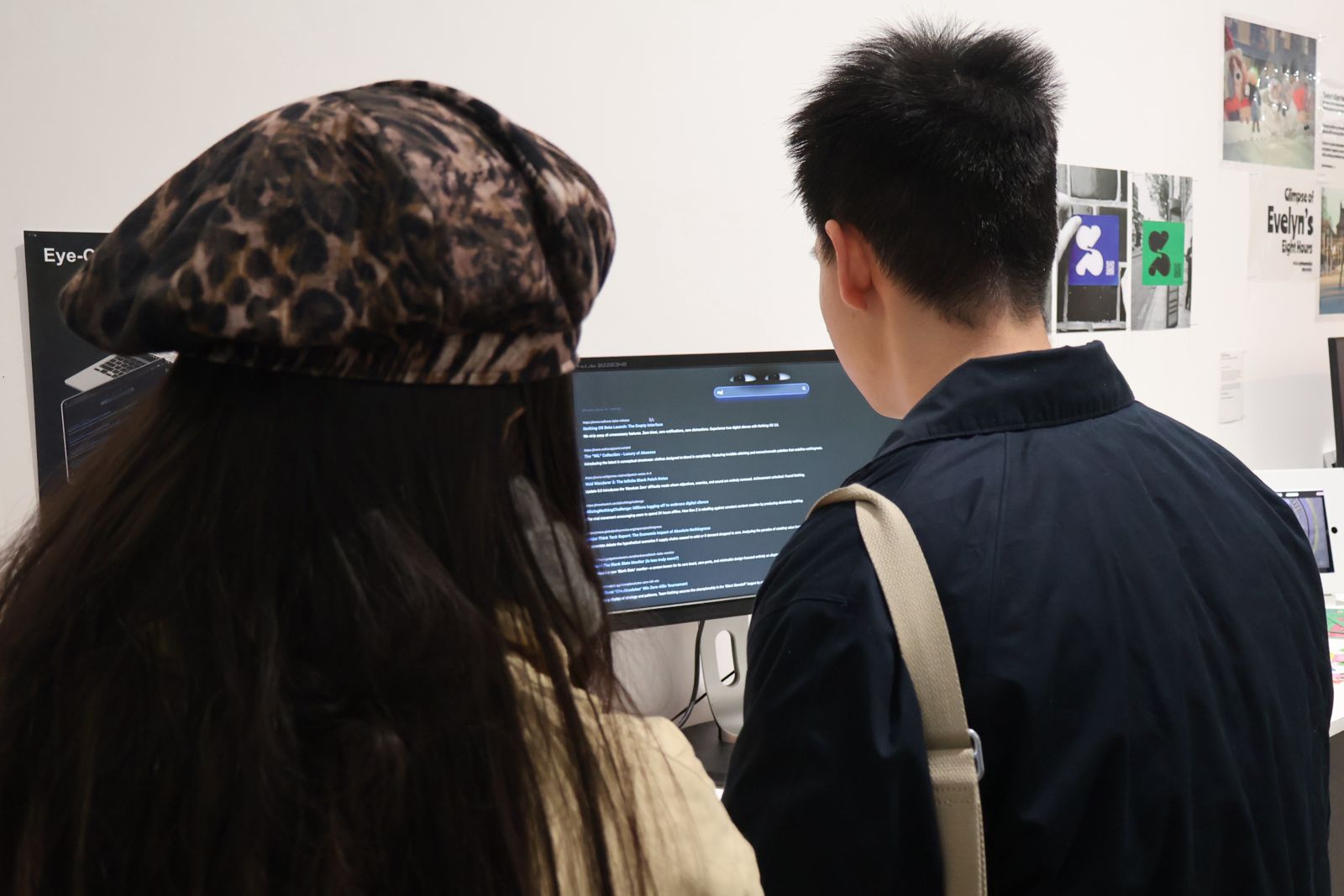
Eye-Con is a critical UX design case study that explores the Privacy Paradox, the gap between a user’s concern for data privacy and their actual online behavior. Rather than creating a functional privacy tool like a VPN, this project utilizes Speculative Design to make the invisible nature of data surveillance visible and visceral.
The project manifests as a high-fidelity mock search engine that employs affective design to provoke reflection on users data sharing.
Research
Methodological Shift: Pivoted from a technology-centric audit of LLMs to a Human-Centered Design (HCD) inquiry focused on interpersonal and digital perception.
Comparative Ethnography: Conducted parallel semi-structured interviews with human subjects versus AI-generated synthetic personas to benchmark emotional nuance.
Heuristic Audit: Analyzed existing data-privacy tools and identified a gap: most tools prioritize functional obstruction (VPNs/Ad-blockers) rather than critical awareness.
Research Methods:
Workshops: Facilitated workshops to
Competitor audit: this insightful, highlighting all current data privacy hid the data surveillance or created blockers for data privacy none actually highlighted or heightened the surveillance.
Interviews+emapthy mapping: interviewed people and A.I personas from various cultures and discovered universal patterns and insights.
Key Findings:
UI-Induced Exhaustion: Research indicated that users do not bypass Terms and Conditions due to apathy, but rather due to intentional friction in the interface designed to discourage informed consent.
The Panopticon Effect: Awareness of observation (even by a machine) triggers an immediate Observer Effect, where users modify behavior to perform for the "Gaze".
Synthetic Limitations: AI personas relied on logical data-privacy frameworks, failing to replicate the "messy" emotional contradictions. Specifically the tension between privacy anxiety and social convenience found in human subjects.
Ideation
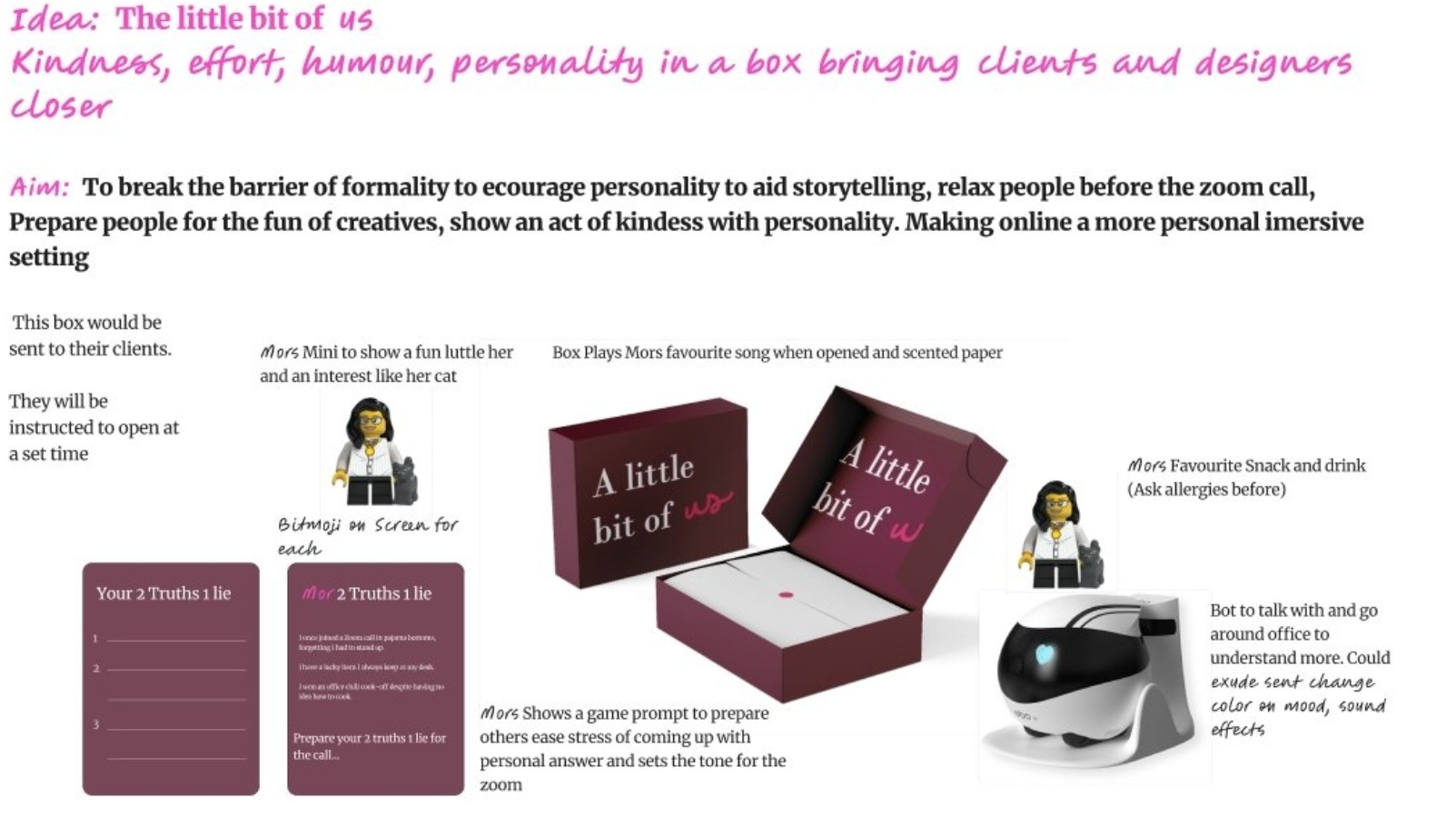
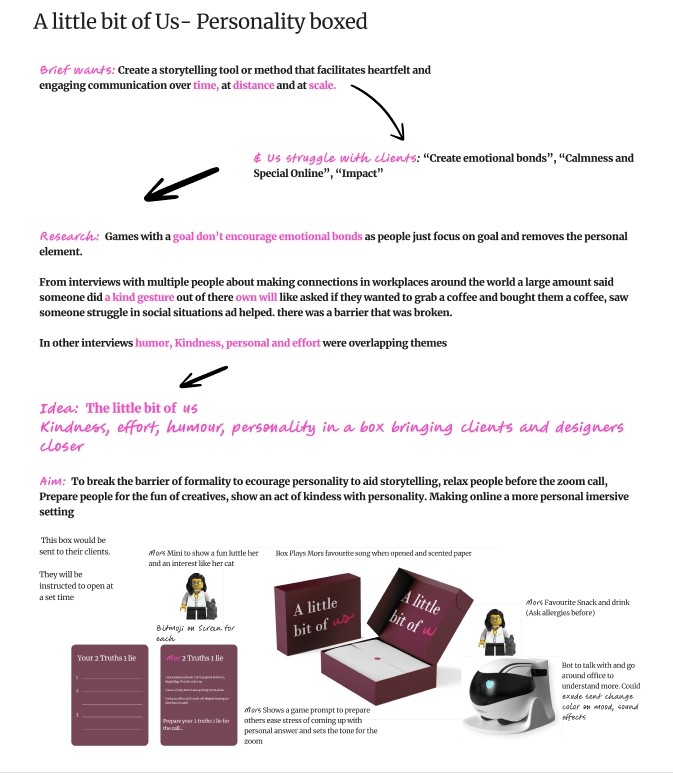
My ideation phase was driven by a need to move beyond traditional "awareness" tools, which my research showed were largely ignored by users.
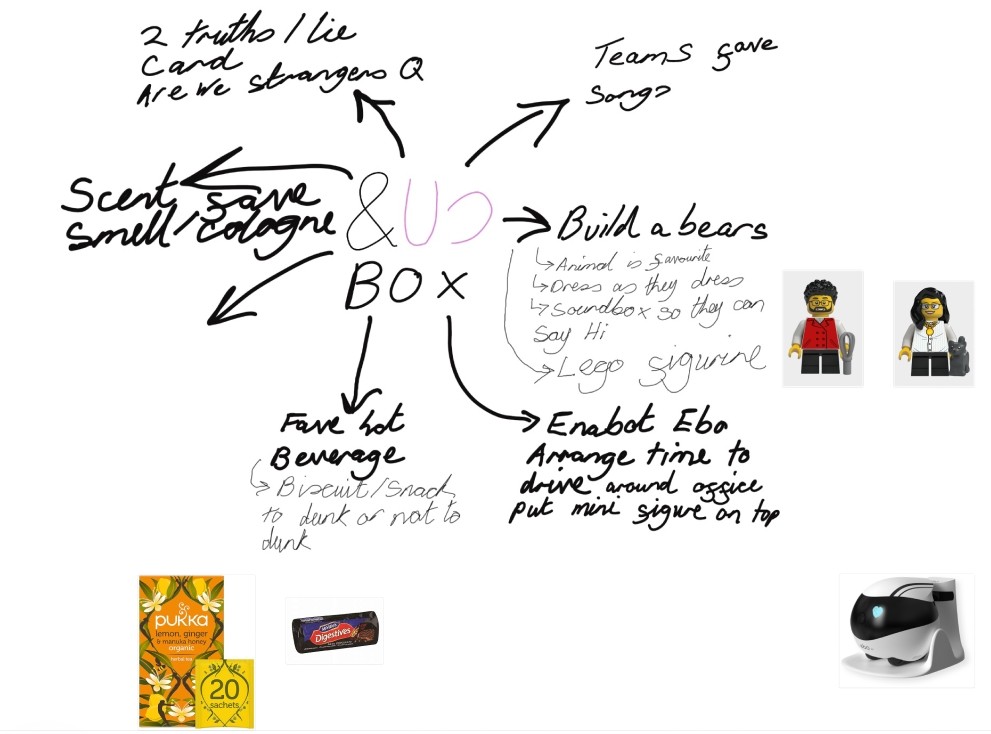
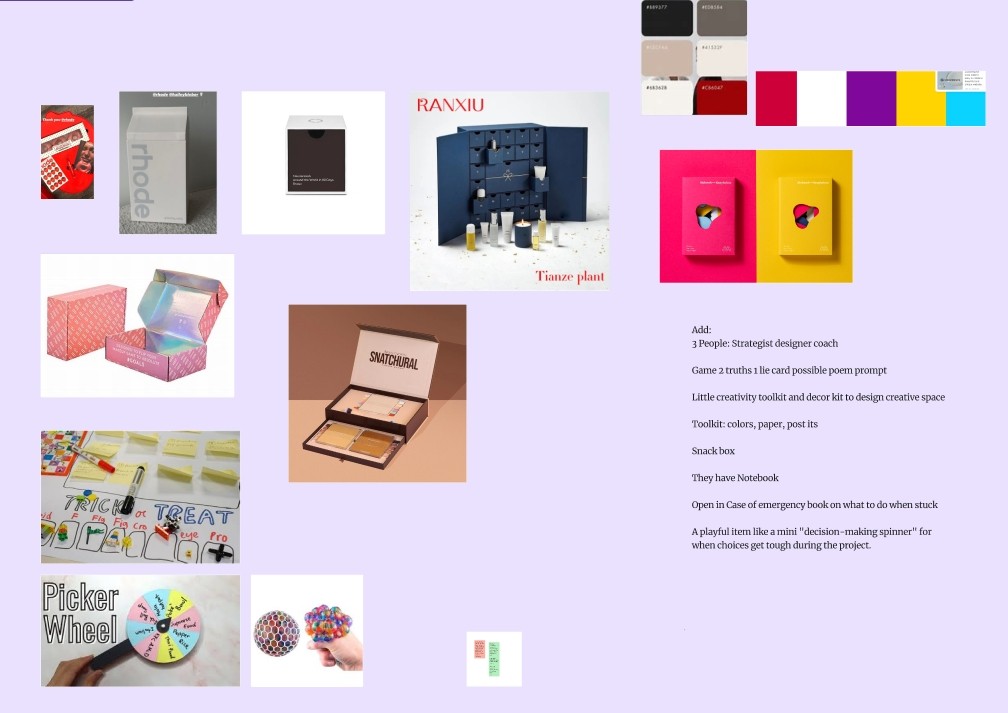
Concept: A personalised box sent from designer to client, containing:
Competitive Audit & Gap Analysis: I audited current privacy interventions (Ad-Blockers, VPNs, and Privacy Dashboards). I found a recurring Design Gap: most tools are purely functional, they hide the problem rather than exposing the system. This led me to position my project within Speculative Design, focusing on "making the invisible, visible".
Co-Design Workshop: I facilitated a participatory workshop where users were asked to "personify" their digital footprint.
A key finding was that users associated "Cookies" with positive, harmless imagery. This revealed that current tech terminology intentionally disarms users.
When asked to draw "being watched," users consistently drew eyes and dark, amorphous figures. This validated the use of Bio-mimicry (eyes) as a universal symbol for observation.
Development
Prototyping Strategy: High-Fidelity Logic
To validate the Observer Effect, a static mockup was insufficient. I transitioned into a code-based environment to simulate a living, reactive system.
Enhancements:
Technical Stack: Engineered the interface using A.I to code the HTML5, CSS3, and JavaScript.
Refining the design
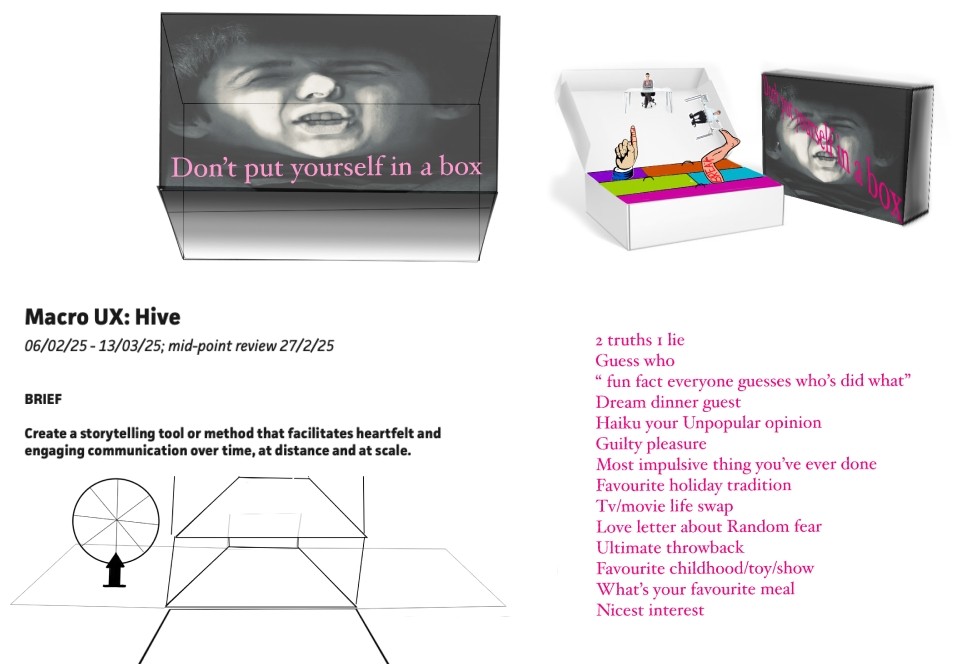
A dollhouse-style unfolding office
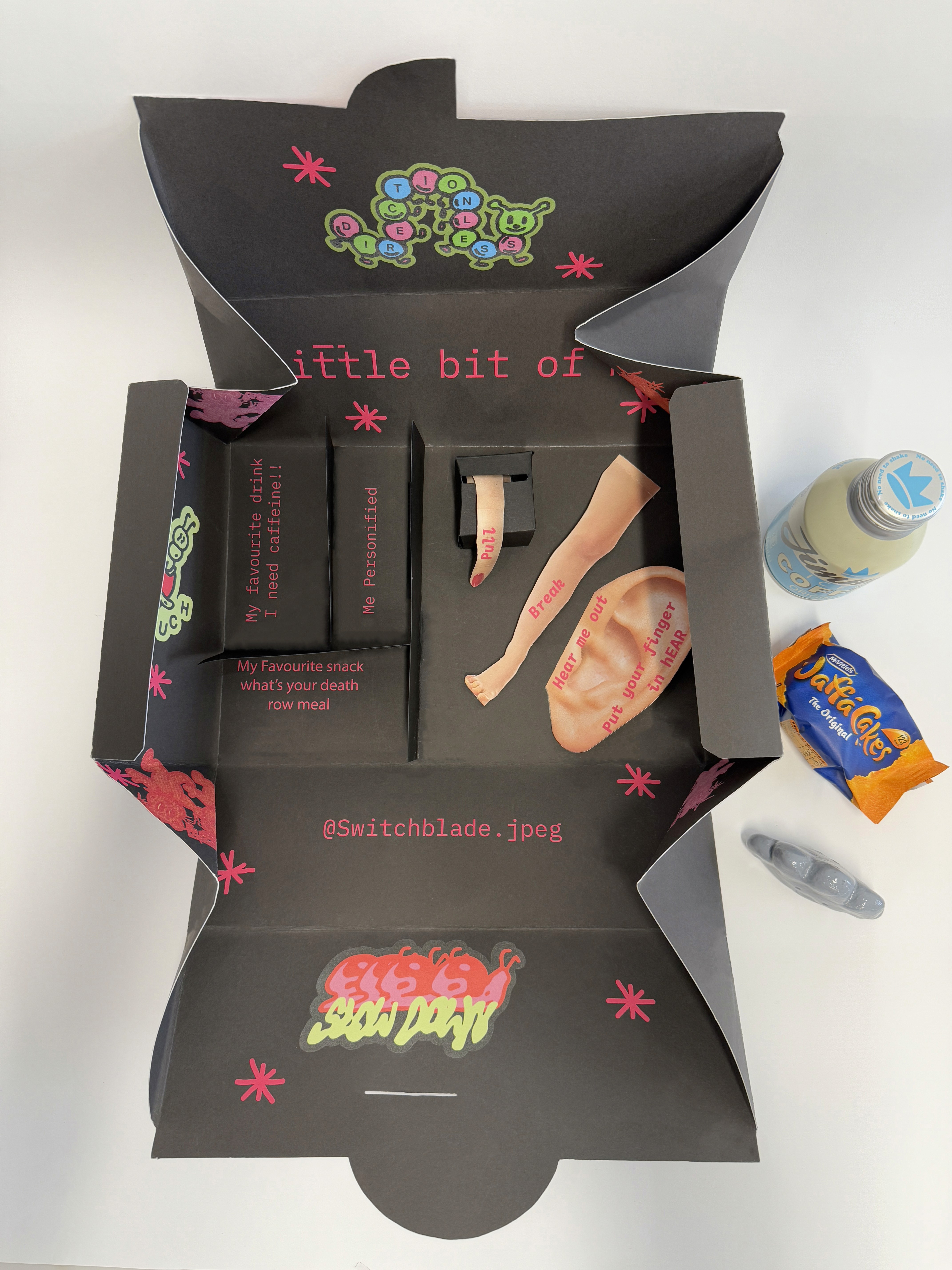
Drawers activated by puns like “pull my finger”
A mini office on the lid interior
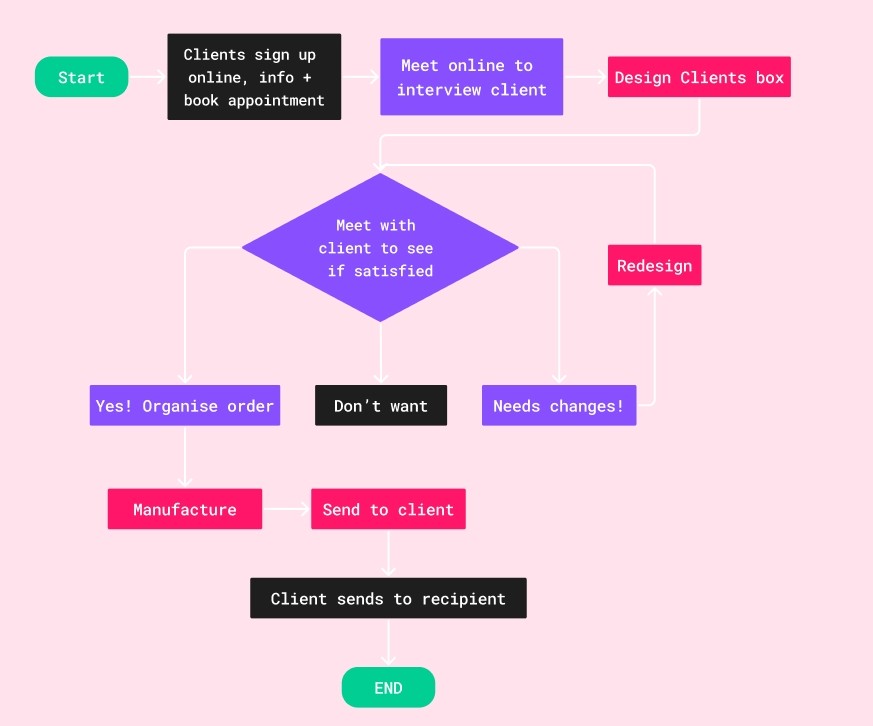
We also explored how to position this as a real-world tool by creating a service flow chart . A mock business model for a company helping designers send personalised connection kits to clients.
User Testing & Iteration
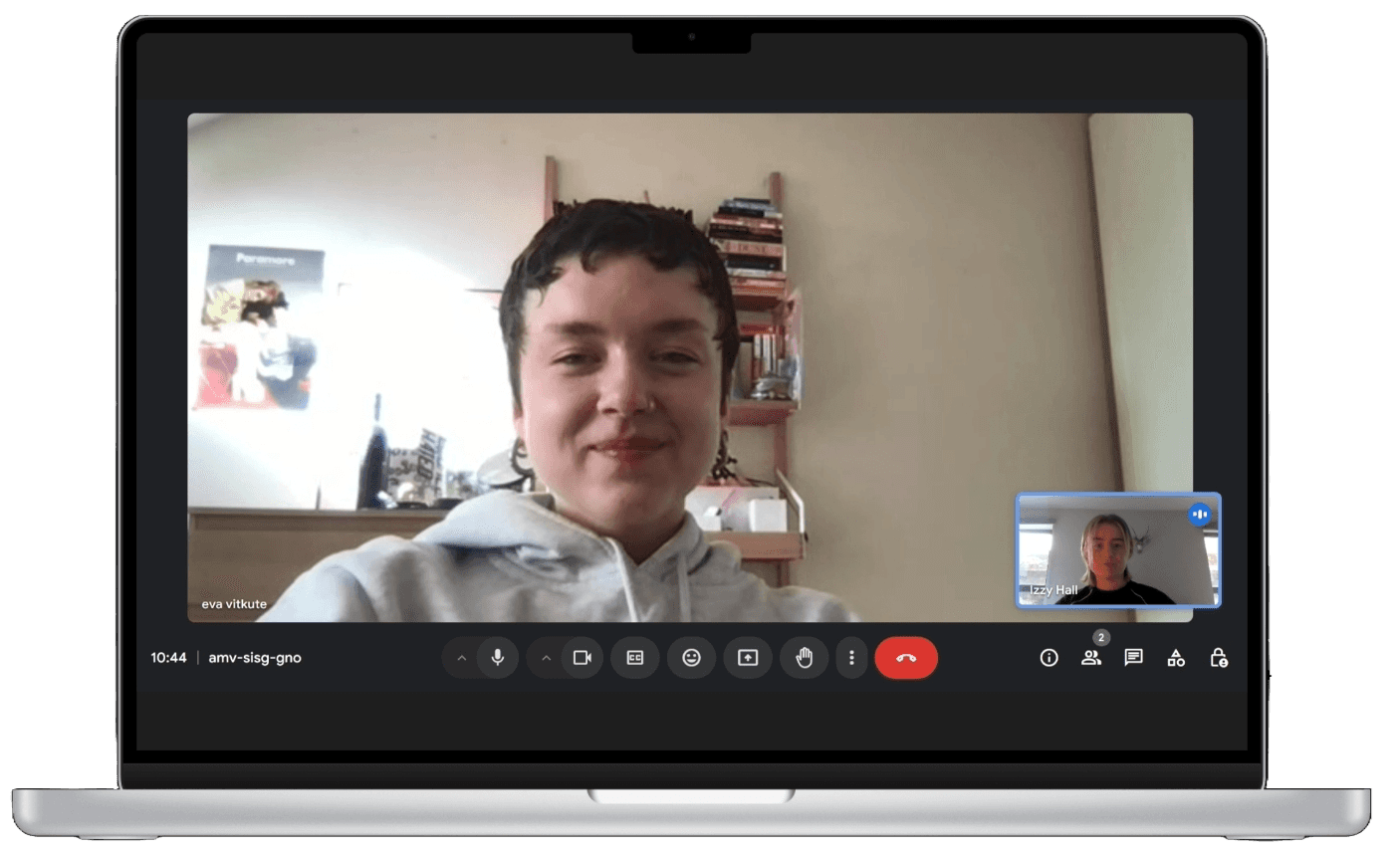
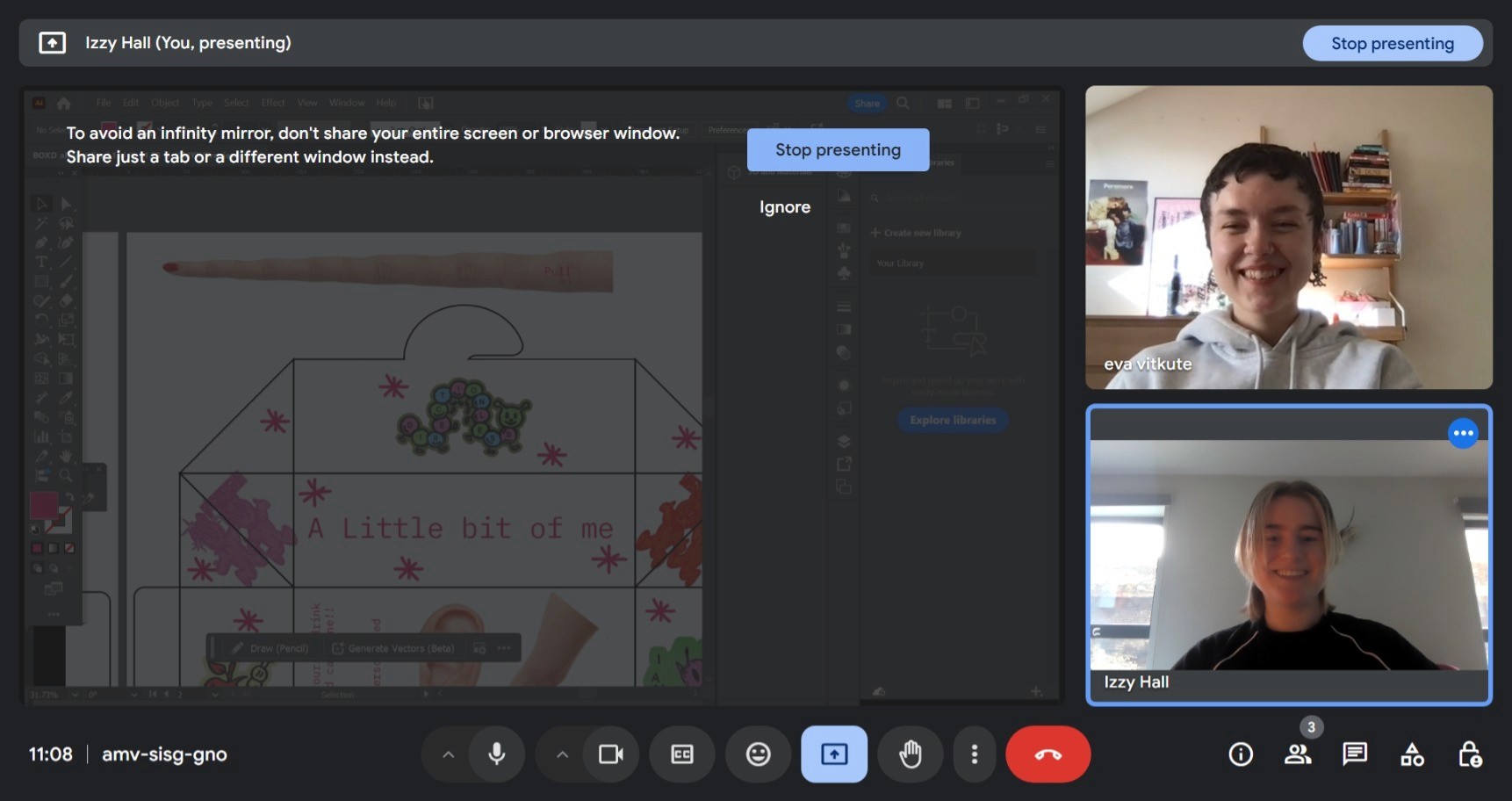
I ran a mock consultation with artist/designer Switchblade to test the concept. We refined the prompt questions to be low-risk, personal, and appropriate. Her feedback guided the creation of a box designed just for her, featuring:
We also explored how to position this as a real-world tool by creating a service flow chart . A mock business model for a company helping designers send personalised connection kits to clients.
User Testing & Iteration
I ran a mock consultation with artist/designer Switchblade to test the concept. We refined the prompt questions to be low-risk, personal, and appropriate. Her feedback guided the creation of a box designed just for her, featuring:
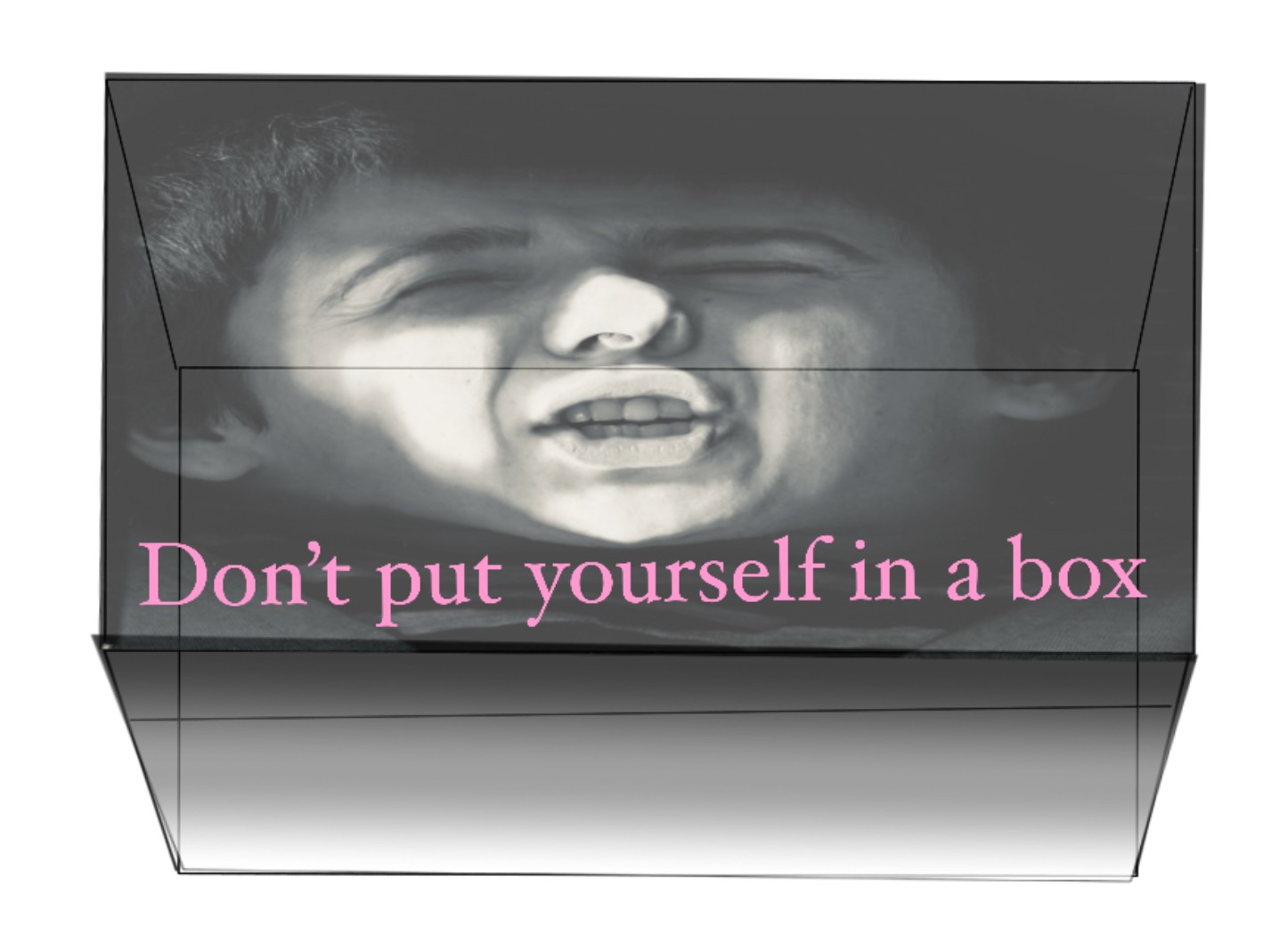
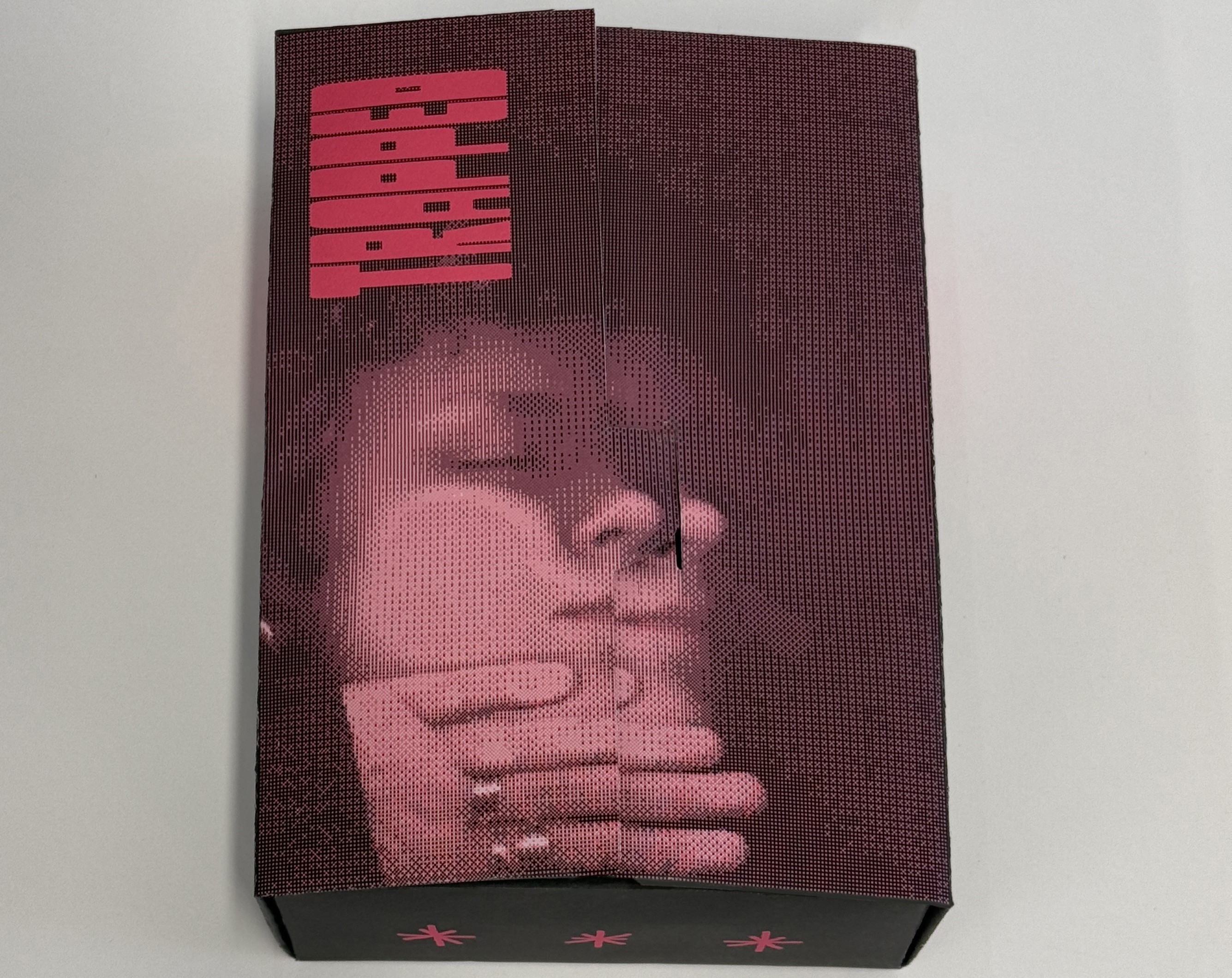
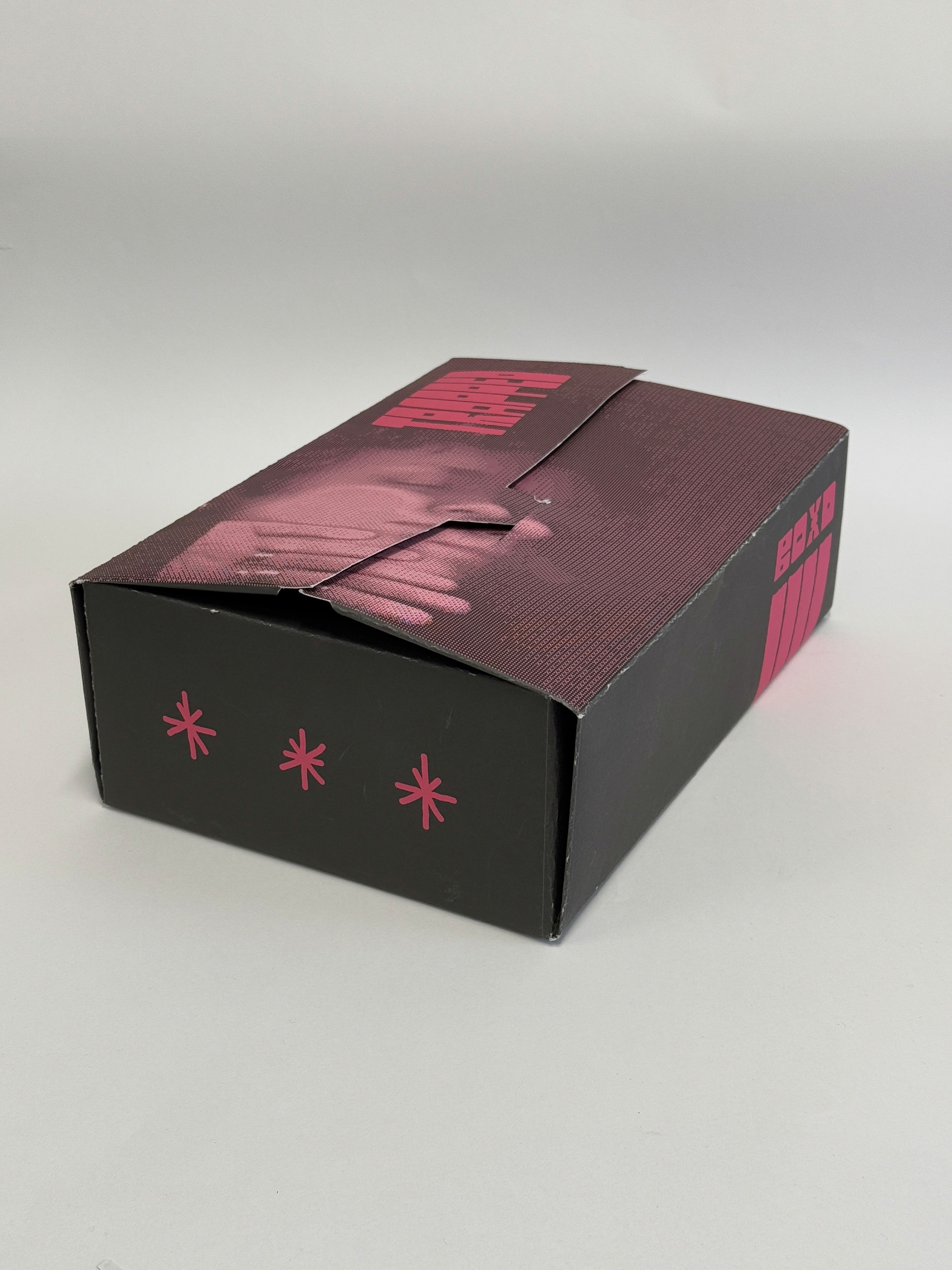
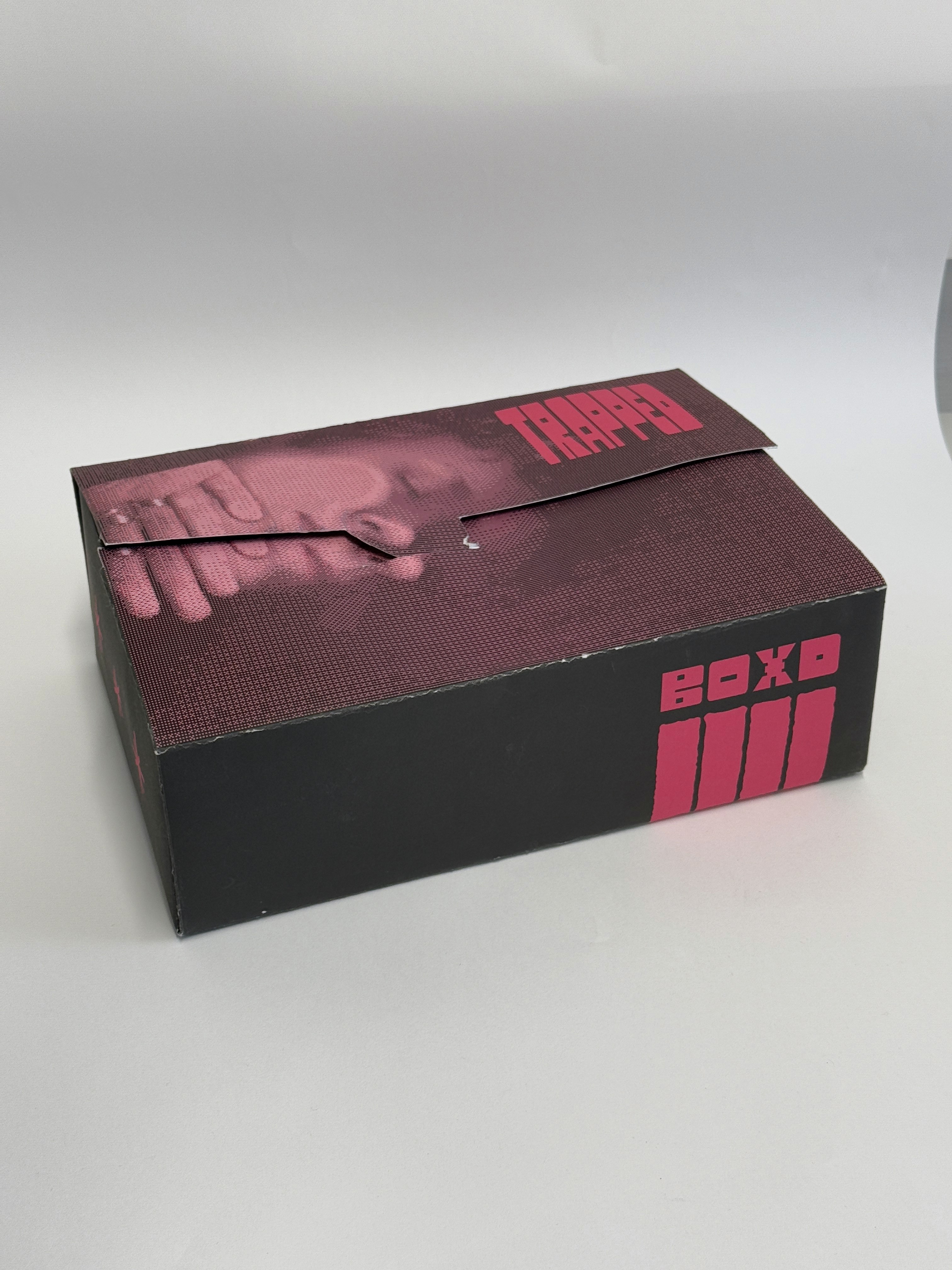
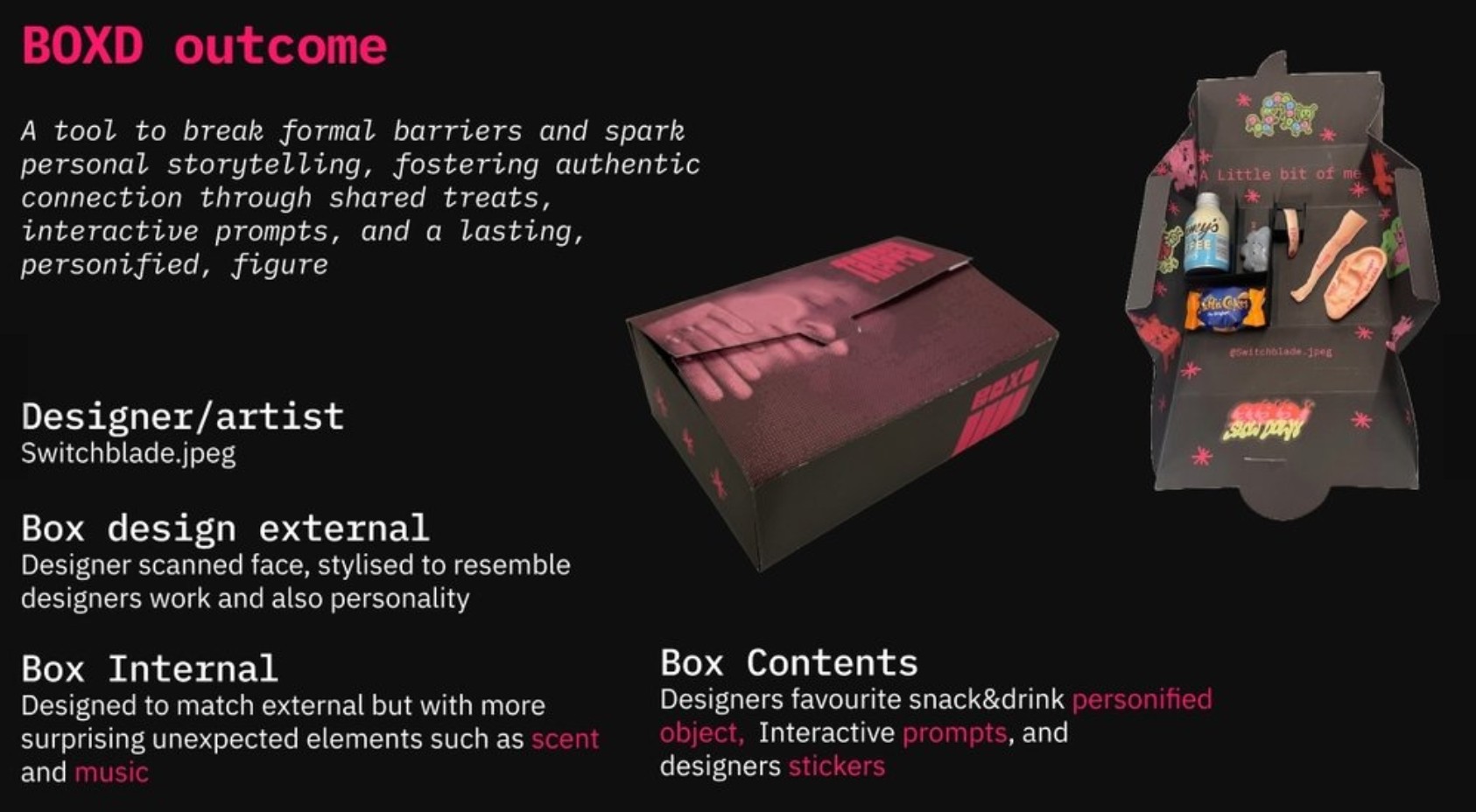
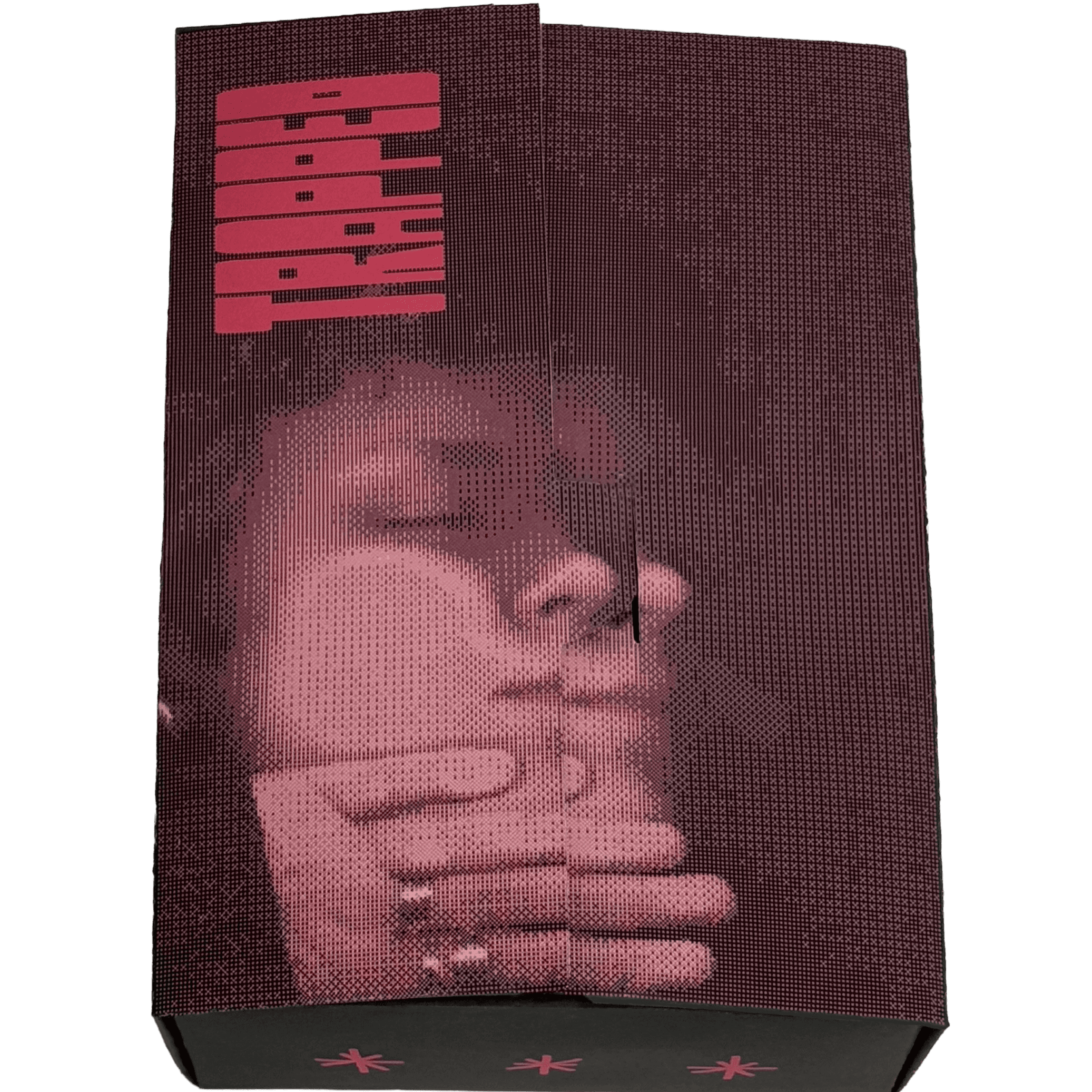
Her scanned face on the box
Her favourite snack, drink, and music
A custom figurine (a rainless storm cloud!)
Her own sticker art on the interior
Process
I followed an iterative, human-centred design approach:
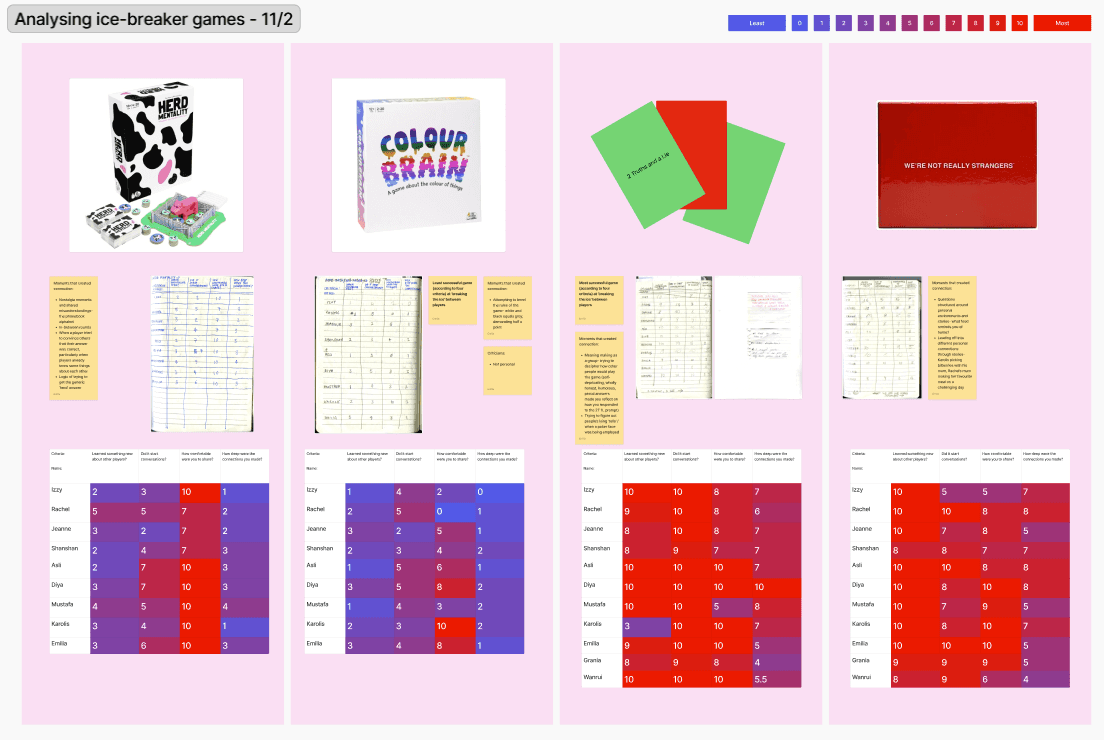
Explored hybrid work: struggles with &Us agency and tested icebreaker activities to understand real connection triggers.
Concept Creation: Interviewed users across cultures; identified humour, kindness, and vulnerability as key. Proposed a personalised sensory box to foster authentic connection.
Development: Designed and prototyped a playful box using the five senses — snacks, scents, figurines, and prompts. Explored metaphorical forms like a dollhouse unfolding office.
User Testing: Ran a 1:1 session with designer Switchblade. Created a custom version using her favourite items and feedback to refine tone and interaction.
Outcome Delivered a thoughtful, tested tool praised for making remote storytelling fun, human, and memorable.
Outcome + Impact
The final product was a personalised storytelling box, using sensory prompts, humour, and small acts of kindness which created a strong connection from the client to the designer before meeting helping aid the design process.
It Contained:
Designers favorite song and scent
Prompts for conversation
A designer figurine
A snack and drink
It made Designer-Client communication more human, memorable, and scalable, with potential for digital and subscription-based expansion.
Boxd demonstrated that physical, personal storytelling tools can have strong emotional impact — even in professional settings. The box successfully built rapport between designer and client before a single Zoom call took place.
Future potential includes digital hybrids or subscription-based creative matchmaking services.
We presented a fully designed, user-tested, custom storytelling tool — a deeply personal box that made creative communication more human, humorous, and heartfelt.
We received industry praise and thoughtful feedback on expanding digitally and testing more broadly.
BOXD
Overview:
Eye-Con is a critical UX design case study that explores the Privacy Paradox, the gap between a user’s concern for data privacy and their actual online behavior. Rather than creating a functional privacy tool like a VPN, this project utilizes Speculative Design to make the invisible nature of data surveillance visible and visceral.
The project manifests as a high-fidelity mock search engine that employs affective design to provoke reflection on users data sharing.
Research
Methodological Shift: Pivoted from a technology-centric audit of LLMs to a Human-Centered Design (HCD) inquiry focused on interpersonal and digital perception.
Comparative Ethnography: Conducted parallel semi-structured interviews with human subjects versus AI-generated synthetic personas to benchmark emotional nuance.
Heuristic Audit: Analyzed existing data-privacy tools and identified a gap: most tools prioritize functional obstruction (VPNs/Ad-blockers) rather than critical awareness.
Research Methods:
Workshops: Facilitated workshops to
Competitor audit: this insightful, highlighting all current data privacy hid the data surveillance or created blockers for data privacy none actually highlighted or heightened the surveillance.
Interviews+emapthy mapping: interviewed people and A.I personas from various cultures and discovered universal patterns and insights.
Key Findings:
UI-Induced Exhaustion: Research indicated that users do not bypass Terms and Conditions due to apathy, but rather due to intentional friction in the interface designed to discourage informed consent.
The Panopticon Effect: Awareness of observation (even by a machine) triggers an immediate Observer Effect, where users modify behavior to perform for the "Gaze".
Synthetic Limitations: AI personas relied on logical data-privacy frameworks, failing to replicate the "messy" emotional contradictions. Specifically the tension between privacy anxiety and social convenience found in human subjects.
Ideation
My ideation phase was driven by a need to move beyond traditional "awareness" tools, which my research showed were largely ignored by users.
Concept: A personalised box sent from designer to client, containing:
Competitive Audit & Gap Analysis: I audited current privacy interventions (Ad-Blockers, VPNs, and Privacy Dashboards). I found a recurring Design Gap: most tools are purely functional, they hide the problem rather than exposing the system. This led me to position my project within Speculative Design, focusing on "making the invisible, visible".
Co-Design Workshop: I facilitated a participatory workshop where users were asked to "personify" their digital footprint.
A key finding was that users associated "Cookies" with positive, harmless imagery. This revealed that current tech terminology intentionally disarms users.
When asked to draw "being watched," users consistently drew eyes and dark, amorphous figures. This validated the use of Bio-mimicry (eyes) as a universal symbol for observation.
Development
Prototyping Strategy: High-Fidelity Logic
To validate the Observer Effect, a static mockup was insufficient. I transitioned into a code-based environment to simulate a living, reactive system.
Enhancements:
Technical Stack: Engineered the interface using A.I to code the HTML5, CSS3, and JavaScript.
Refining the design
A dollhouse-style unfolding office
Drawers activated by puns like “pull my finger”
A mini office on the lid interior
We also explored how to position this as a real-world tool by creating a service flow chart . A mock business model for a company helping designers send personalised connection kits to clients.
User Testing & Iteration
I ran a mock consultation with artist/designer Switchblade to test the concept. We refined the prompt questions to be low-risk, personal, and appropriate. Her feedback guided the creation of a box designed just for her, featuring:
We also explored how to position this as a real-world tool by creating a service flow chart . A mock business model for a company helping designers send personalised connection kits to clients.
User Testing & Iteration
I ran a mock consultation with artist/designer Switchblade to test the concept. We refined the prompt questions to be low-risk, personal, and appropriate. Her feedback guided the creation of a box designed just for her, featuring:
Her scanned face on the box
Her favourite snack, drink, and music
A custom figurine (a rainless storm cloud!)
Her own sticker art on the interior
Process
I followed an iterative, human-centred design approach:
Explored hybrid work: struggles with &Us agency and tested icebreaker activities to understand real connection triggers.
Concept Creation: Interviewed users across cultures; identified humour, kindness, and vulnerability as key. Proposed a personalised sensory box to foster authentic connection.
Development: Designed and prototyped a playful box using the five senses — snacks, scents, figurines, and prompts. Explored metaphorical forms like a dollhouse unfolding office.
User Testing: Ran a 1:1 session with designer Switchblade. Created a custom version using her favourite items and feedback to refine tone and interaction.
Outcome Delivered a thoughtful, tested tool praised for making remote storytelling fun, human, and memorable.
Outcome + Impact
The final product was a personalised storytelling box, using sensory prompts, humour, and small acts of kindness which created a strong connection from the client to the designer before meeting helping aid the design process.
It Contained:
Designers favorite song and scent
Prompts for conversation
A designer figurine
A snack and drink
It made Designer-Client communication more human, memorable, and scalable, with potential for digital and subscription-based expansion.
Boxd demonstrated that physical, personal storytelling tools can have strong emotional impact — even in professional settings. The box successfully built rapport between designer and client before a single Zoom call took place.
Future potential includes digital hybrids or subscription-based creative matchmaking services.
We presented a fully designed, user-tested, custom storytelling tool — a deeply personal box that made creative communication more human, humorous, and heartfelt.
We received industry praise and thoughtful feedback on expanding digitally and testing more broadly.