The Dating Game
Overview:
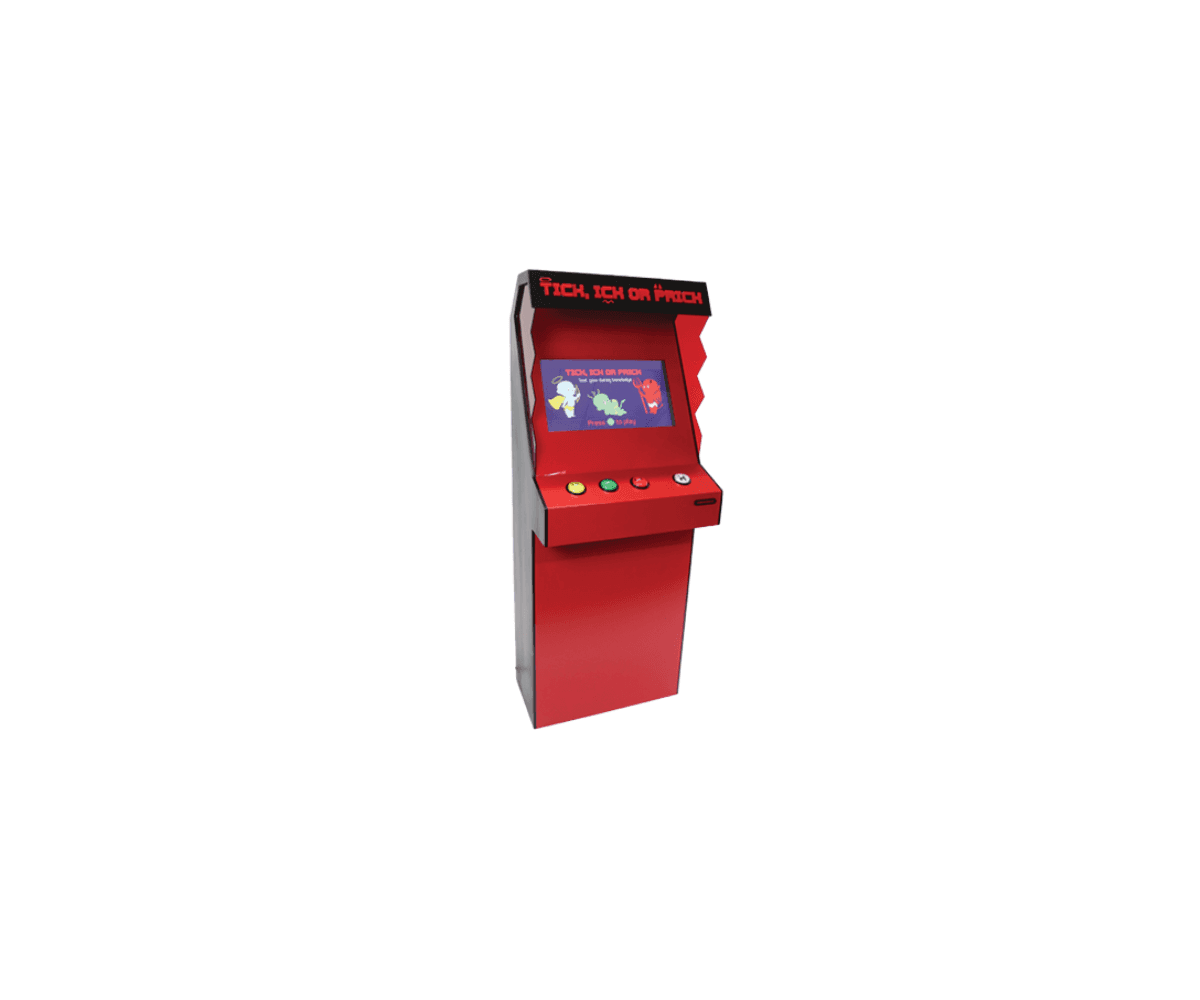
A Design intervention to help young adults recognize and prevent abusive relationships. Created in collaboration with Women’s Aid Ireland and Dublin Rape Crisis Centre, this project transforms heavy topics into approachable, positive conversations by inviting players to engage with real scenarios using a simple decision game format. Built as a physical arcade game for public spaces, it blends digital interaction, playful design, and expert insight to start important conversations.

Research
“1 in 4 women in Ireland who’ve been in a relationship have experienced abuse.” – Women’s Aid Ireland.
I initially focused on gender-based violence in public spaces, but after a lot of secondary research and 31 interviews, including sessions with counselors and advocates .The more overlooked issue became clear: Relationship abuse is often misunderstood, under-discussed, and dangerously subtle in its early stages.
Key findings:
People rarely recognize early-stage manipulation or signs of abusive partners
Only 8% of people research signs of abuse
Current resources (posters, websites) lack interactivity or approachability
Problem statement: How might we create an engaging, non-threatening way to educate young people about signs of abusive relationships before it starts, especially during dating?

Ideation
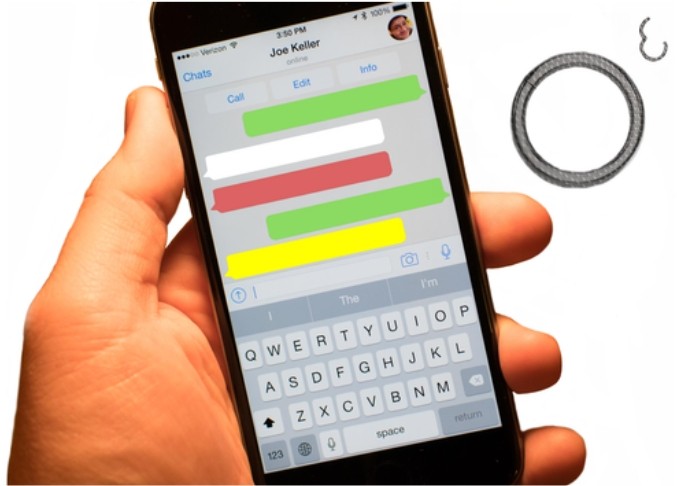
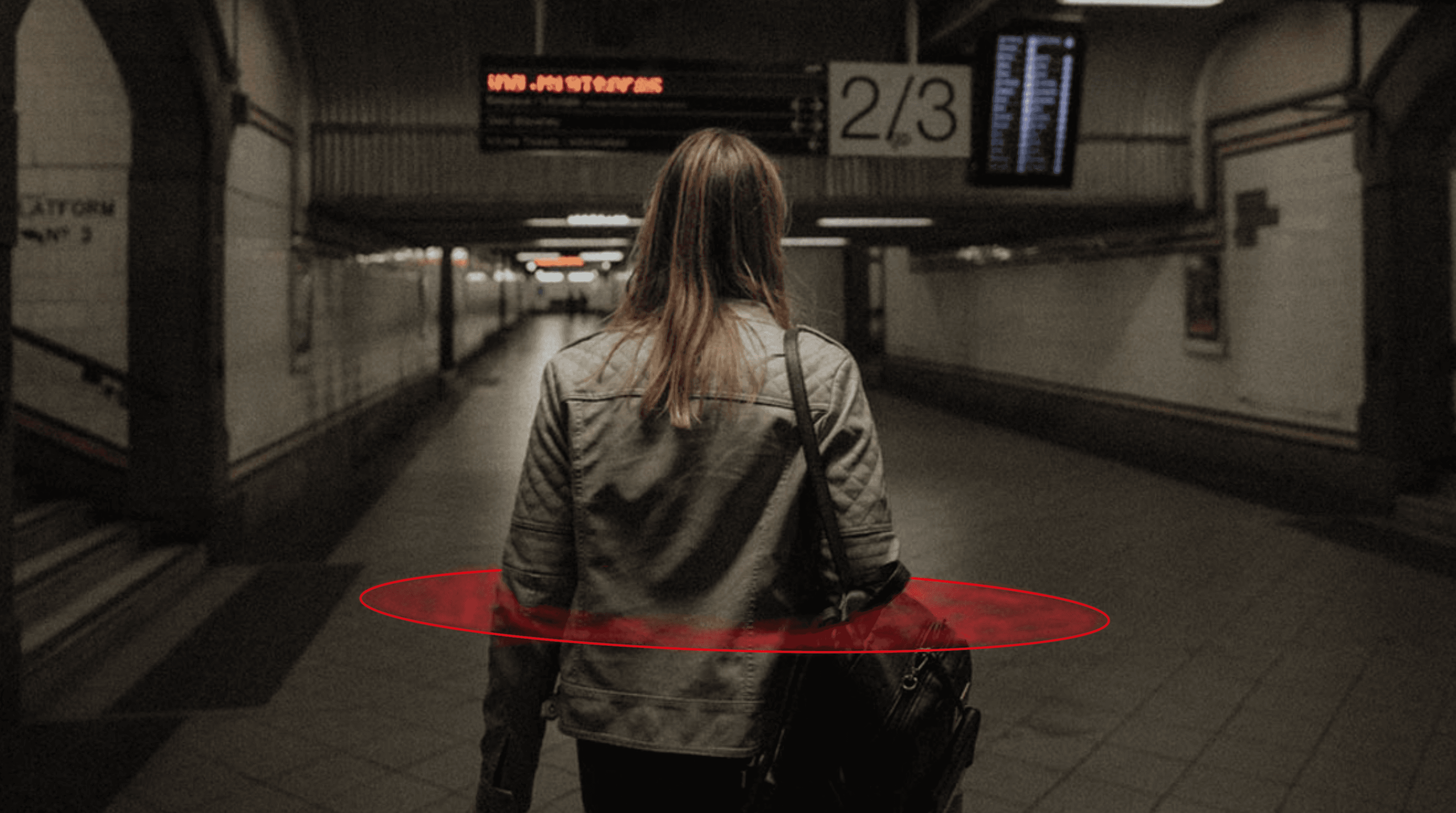
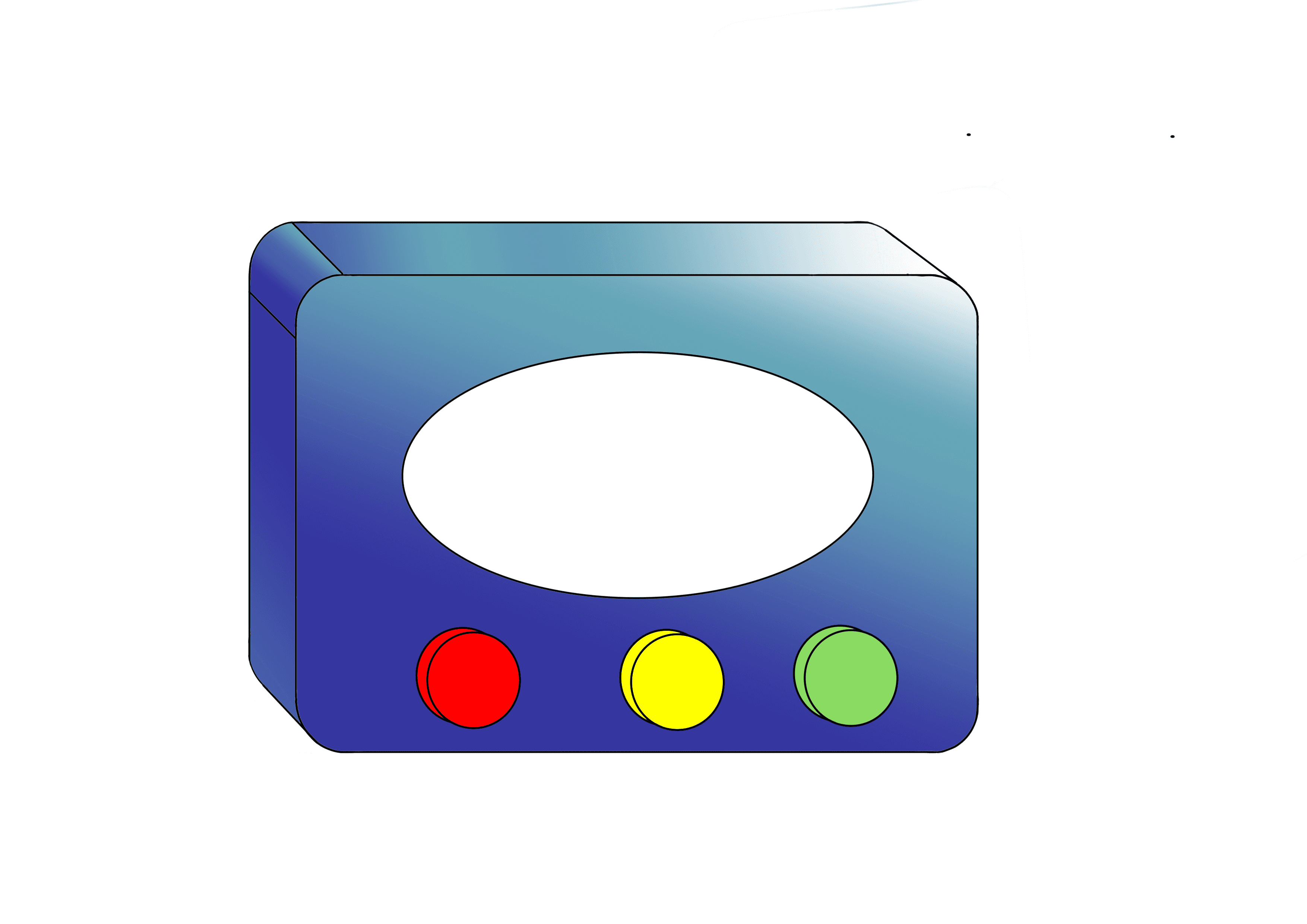
Exploration included simulators, interactive spaces, provocative designs. Gamification emerged as a the most powerful tool for making heavy topics more digestible.
This design to be in a public space so it had to be approachable, inviting, educational and a fun positive experience while also being safe for
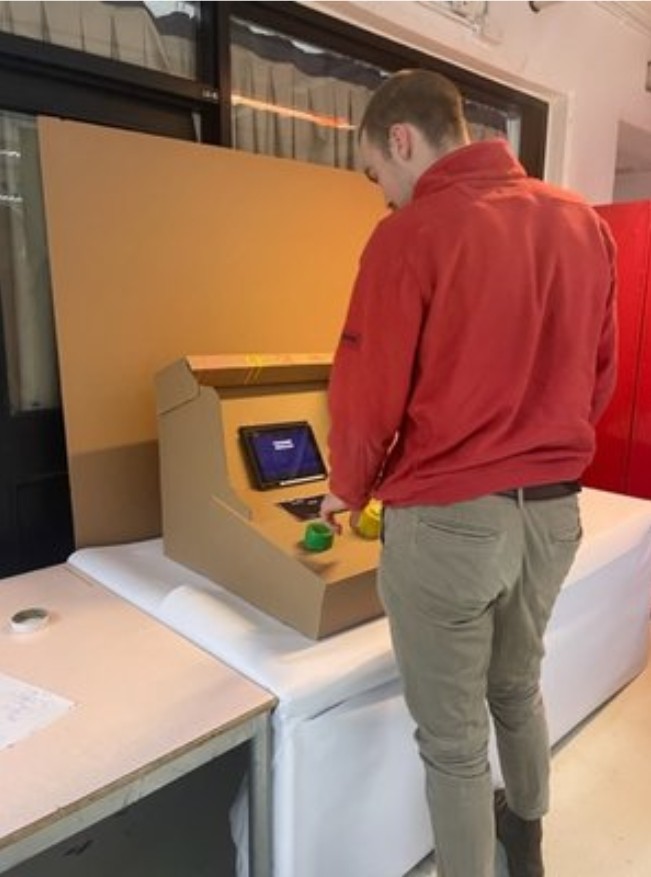
I explored several directions — quizzes, card games, dating app games but A/B testing and user testing showed the arcade format was the most approached, fun, memorable, shareable, encouraged conversation and most liked by Subject Matter Experts(SME).
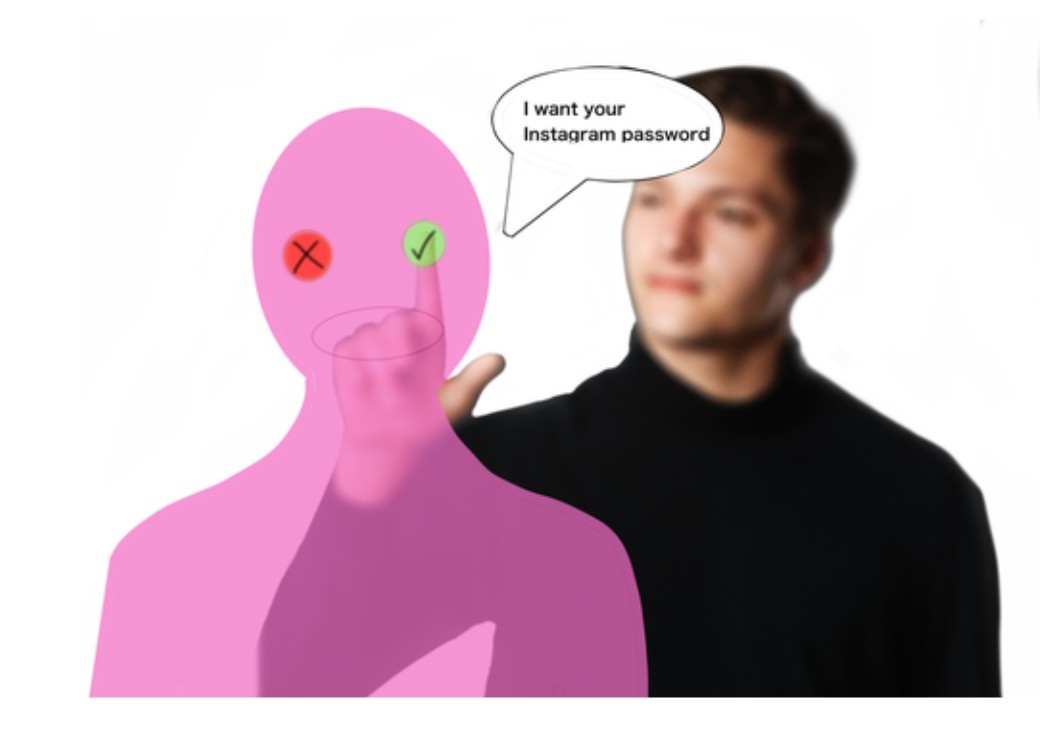
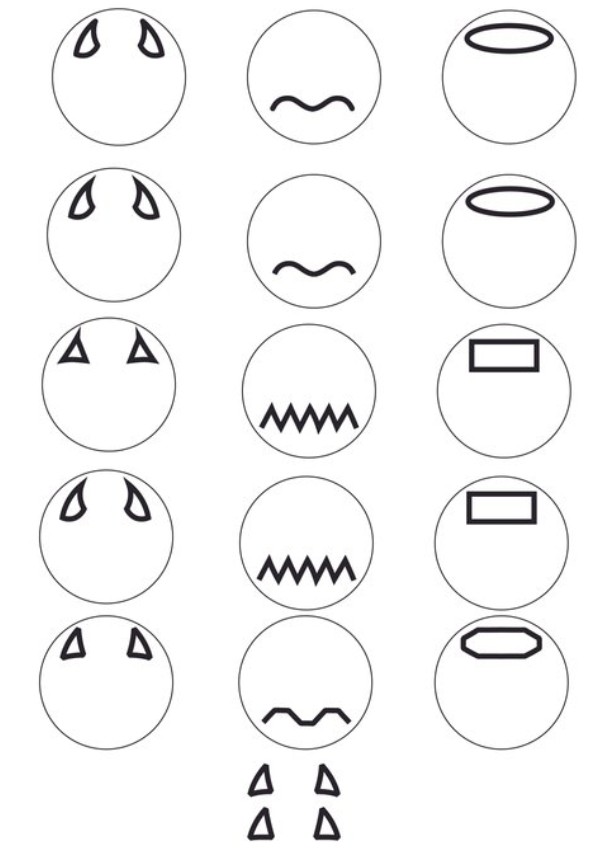
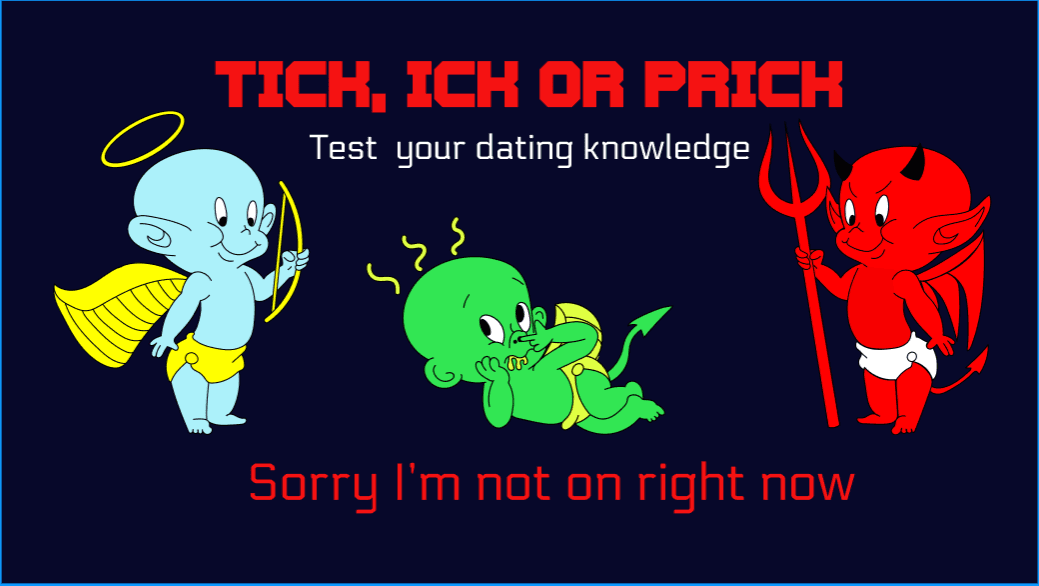
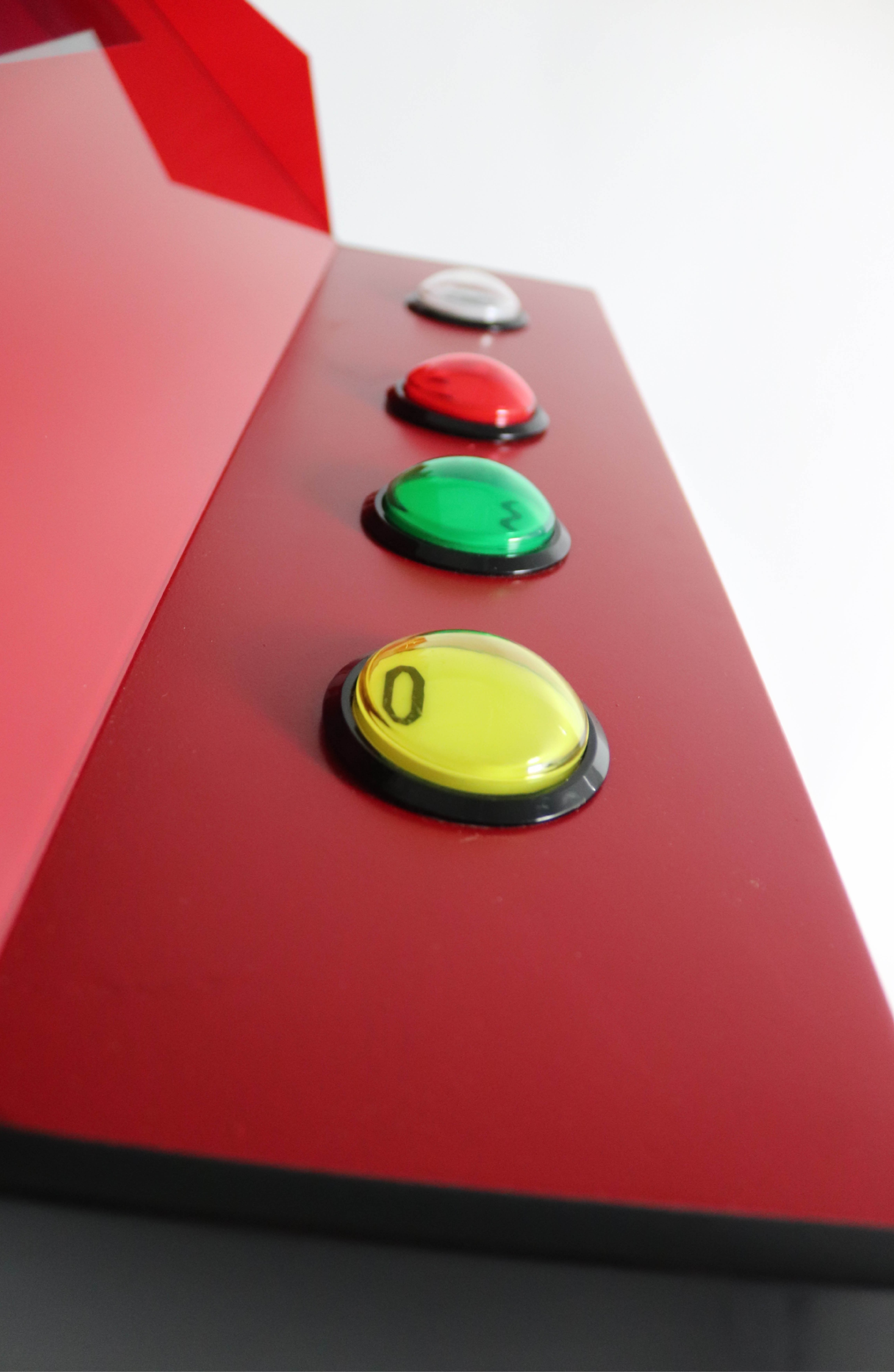
“Tick, Ick or Trick” became a fast-paced decision-making game, simple but effective. Players respond to dating prompts by selecting:
✅ Tick – green flag
🤔 Ick – personal turn-off
🚩 Trick – abusive red flag
The name is quite shocking, but through testing, I found it triggered the public’s attention, encouraging engagement, leading to them being educated through the game. The public and SME’s found it non-offensive and suitable for the topic.
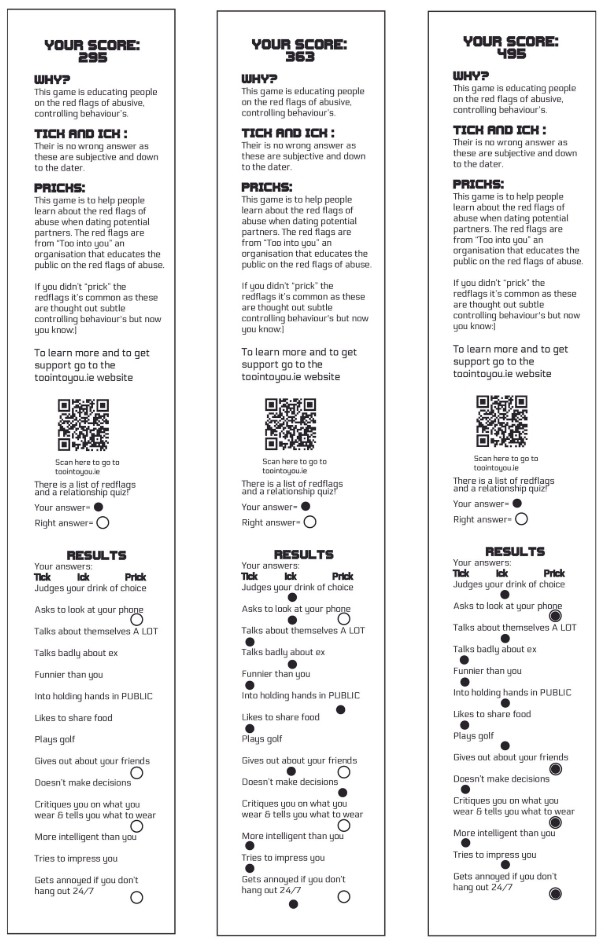
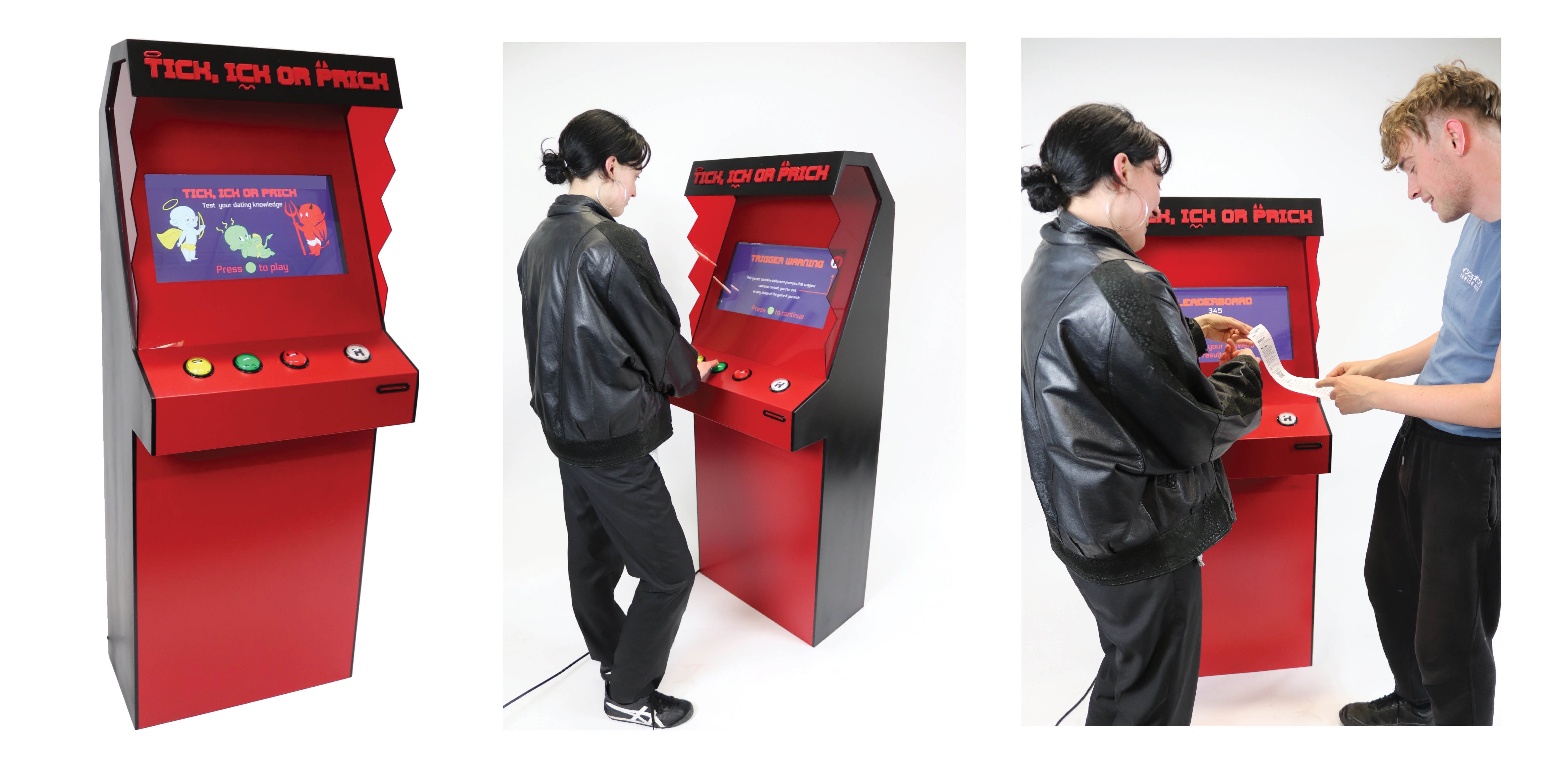
At the end, a printed receipt gives feedback, red flag signs, and links to support (e.g. "Too Into You" website)

Process
1.
Problem Definition: Reframed the topic based on expert insights and secondary research.
2.
Competitor Audit: Found no interactive public tools or physical products tackling abusive relationship education.
3.
Directed storytelling: Got a deeper understanding of survivors’ experiences and finding behaviour patterns.
4.
User Interviews: Mapped dating behaviour, emotional knowledge gaps, and trust issues with educational tools.
5.
Personas + Empathy Mapping: Built profiles for young adults navigating confusing relationship dynamics.
6.
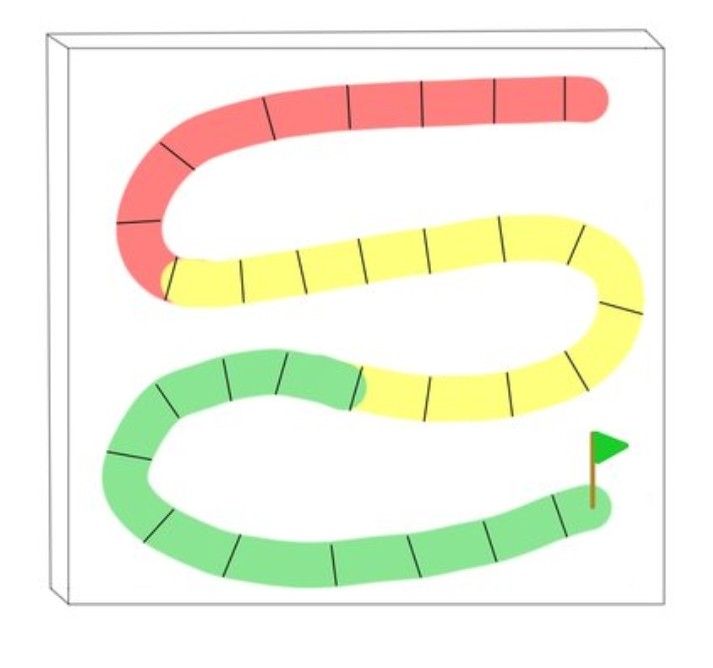
Prototyping Concepts, A/B Testing and User Testing: Tested multiple game styles. Arcade format won for impact and playability.
7.
Expert Co-Design: Worked with trauma-informed specialists to vet outcome, prompts, tone, and visual language.
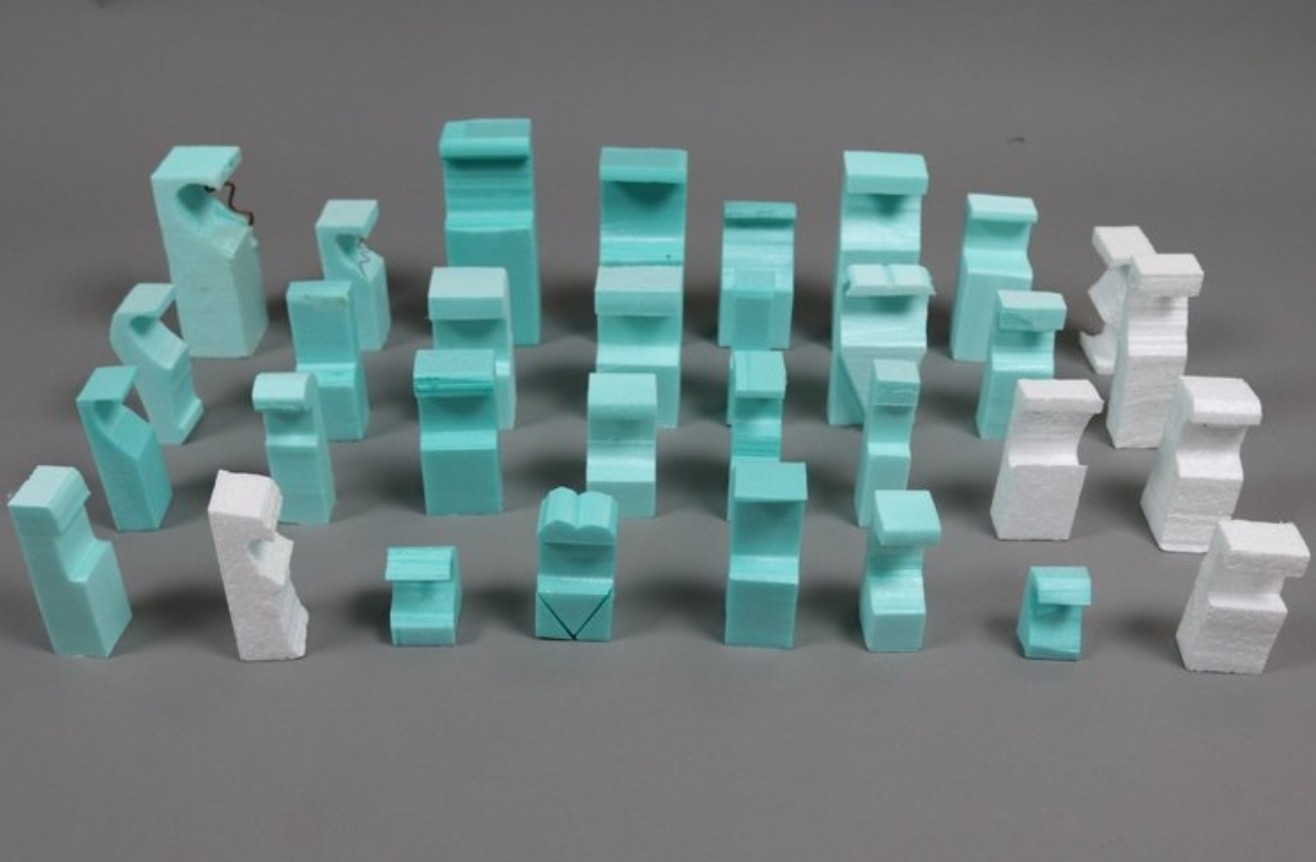


Development
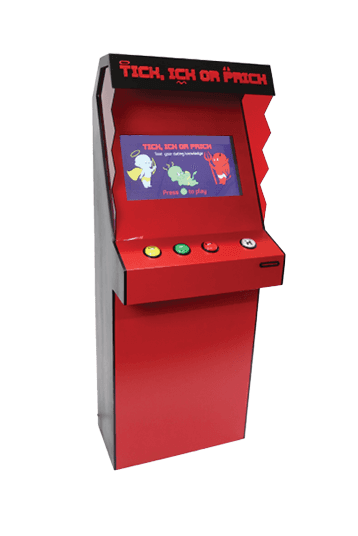
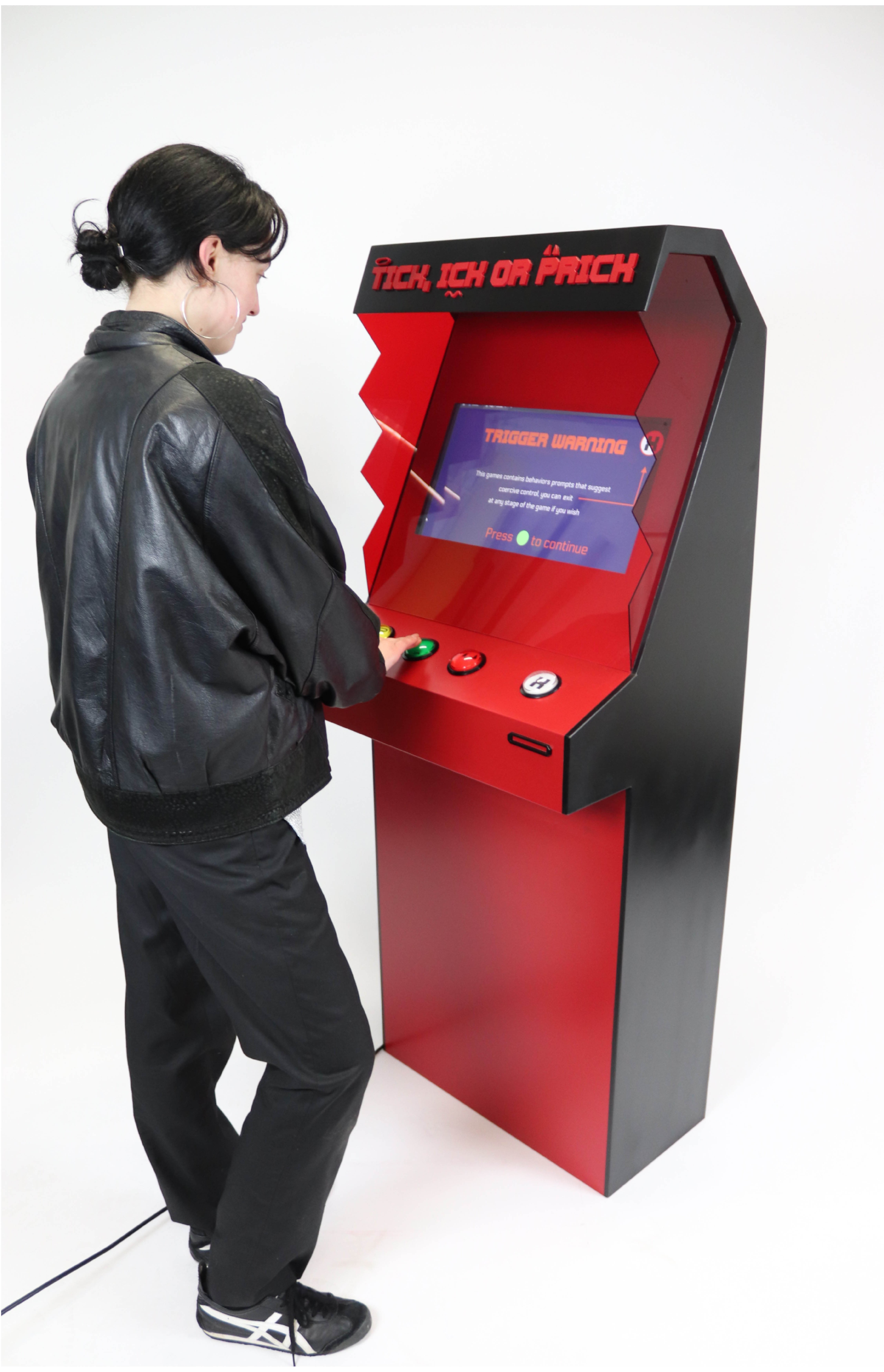
The physical build was carefully designed to be:
The physical build was carefully designed to be:
Accessible: Ergonomic and wheelchair-friendly
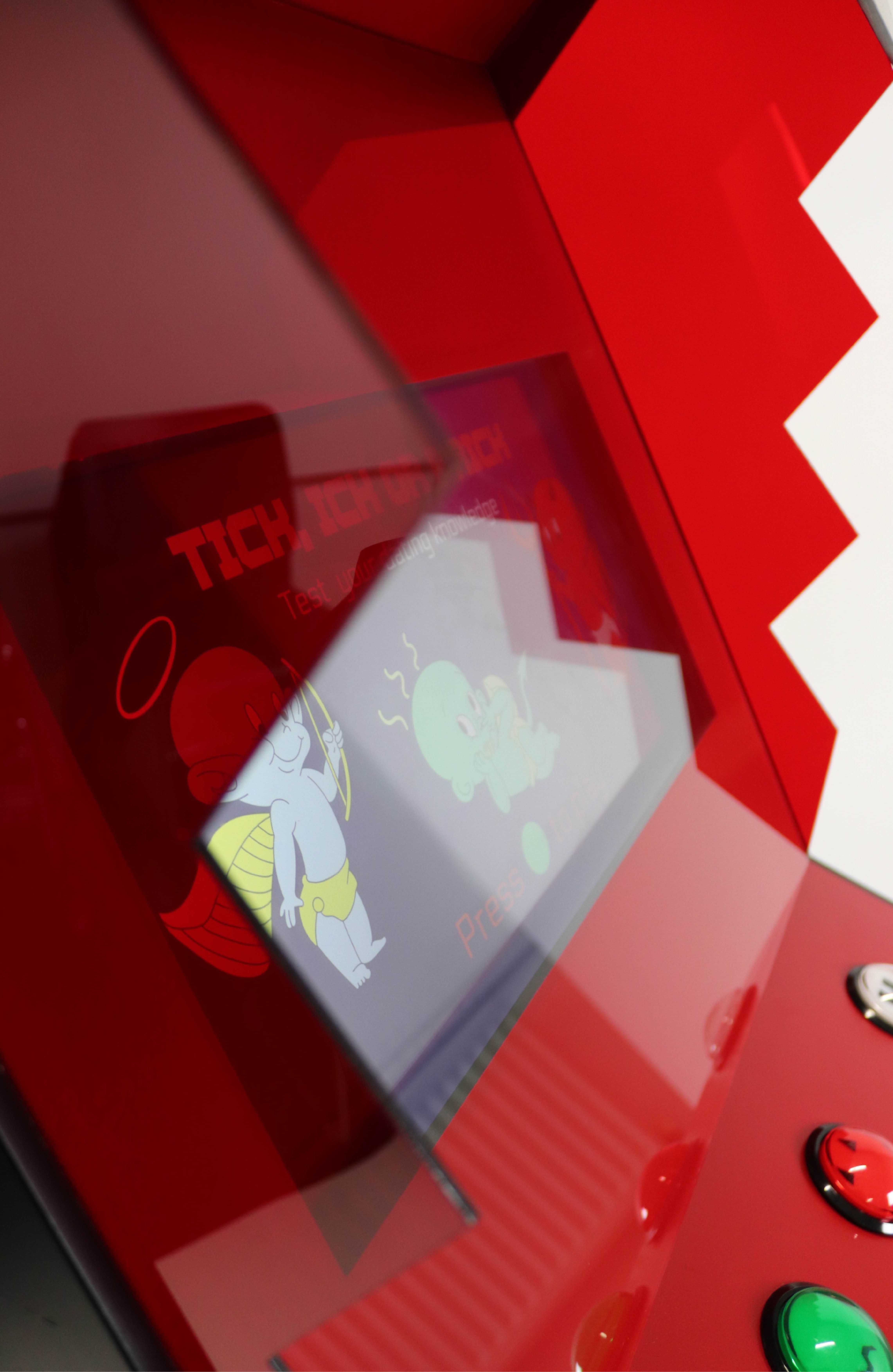
Clear UI/UX: Onboarding screen, trigger warning, instructions, prompts, scoring, Exit
Contemporary but nostalgic: Familiar game visuals with bold, emotional colors, contemporary and minimalistic to fit in many public settings, but still exciting and eye catching.
Testing Stages:
Sensitivity and Safety
Emotional tone and language
Prompt length and difficulty
Reaction timing and scoring
Outcome + Impact
"Tick, Ick or Trick" is a playful yet powerful intervention.
An arcade game that educates through fun interaction, not lectures.
The game introduces people to abusive behaviours subtly disguised as affection or jealousy — while sparking self-reflection and conversation.
Out of 25 players;
100% learned at least one new red flag
22 discovered the “Too Into You.ie” resource site
25 spoke to friends about it and said they’d recommend it to friends
“I think its brilliant, its playfullness the gentle questions, they’re not overwhelming which is what we are trying to highlight that it is a bit subtle, that its not maybe as obvious” -Trish Johnson(Dublin Rape Crisis Centre Counsellor)
Reflection
This has been personally my favourite design. Dealing with such a massive, important issue was intimidating. I was inspired by the survivors, and Subject Matter Experts and their passion for helping others.
This project showed me how design can tackle social issues with empathy and humor. It also taught me the value of expert co-creation, user testing, and emotional intelligence in design.
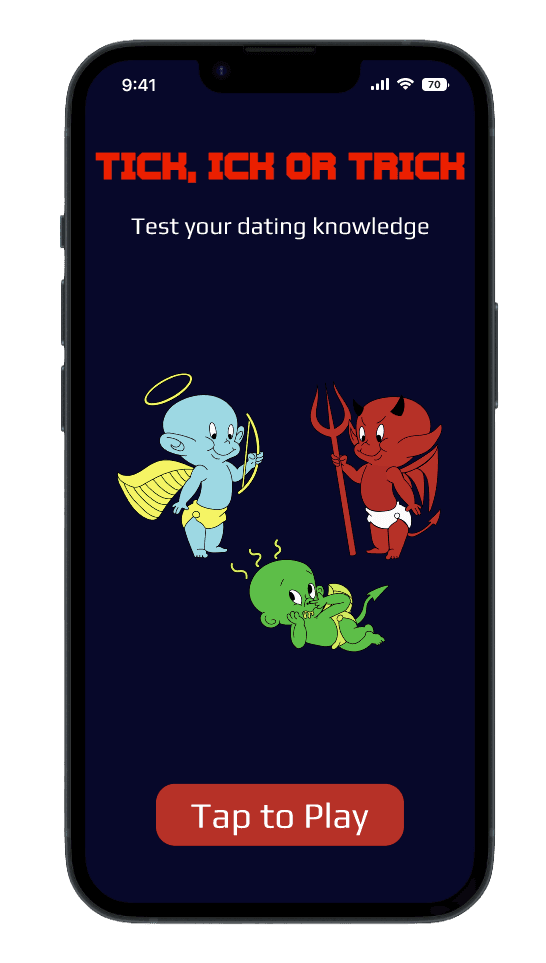
But... like many projects, there’s always room to improve. Despite this project ending I was curious about how this could be expanded on dating apps to educate users on signs of potential abusive partners.
I am currently utilising vibe coding and ai tools to quickly visualise the new development.
Reflection
This has been personally my favourite design. Dealing with such a massive, important issue was intimidating. I was inspired by the survivors, and Subject Matter Experts and their passion for helping others.
This project showed me how design can tackle social issues with empathy and humor. It also taught me the value of expert co-creation, user testing, and emotional intelligence in design.
But... like many projects, there’s always room to improve. Despite this project ending I was curious about how this could be expanded on dating apps to educate users on signs of potential abusive partners.
I am currently utilising vibe coding and ai tools to quickly visualise the new development.
The Dating Game
Overview:
A Design intervention to help young adults recognize and prevent abusive relationships. Created in collaboration with Women’s Aid Ireland and Dublin Rape Crisis Centre, this project transforms heavy topics into approachable, positive conversations by inviting players to engage with real scenarios using a simple decision game format. Built as a physical arcade game for public spaces, it blends digital interaction, playful design, and expert insight to start important conversations.
Research
“1 in 4 women in Ireland who’ve been in a relationship have experienced abuse.” – Women’s Aid Ireland.
I initially focused on gender-based violence in public spaces, but after a lot of secondary research and 31 interviews, including sessions with counselors and advocates .The more overlooked issue became clear: Relationship abuse is often misunderstood, under-discussed, and dangerously subtle in its early stages.
Key findings:
People rarely recognize early-stage manipulation or signs of abusive partners
Only 8% of people research signs of abuse
Current resources (posters, websites) lack interactivity or approachability
Problem statement: How might we create an engaging, non-threatening way to educate young people about signs of abusive relationships before it starts, especially during dating?
Ideation
Exploration included simulators, interactive spaces, provocative designs. Gamification emerged as a the most powerful tool for making heavy topics more digestible.
This design to be in a public space so it had to be approachable, inviting, educational and a fun positive experience while also being safe for
I explored several directions — quizzes, card games, dating app games but A/B testing and user testing showed the arcade format was the most approached, fun, memorable, shareable, encouraged conversation and most liked by Subject Matter Experts(SME).
“Tick, Ick or Trick” became a fast-paced decision-making game, simple but effective. Players respond to dating prompts by selecting:
✅ Tick – green flag
🤔 Ick – personal turn-off
🚩 Trick – abusive red flag
The name is quite shocking, but through testing, I found it triggered the public’s attention, encouraging engagement, leading to them being educated through the game. The public and SME’s found it non-offensive and suitable for the topic.
At the end, a printed receipt gives feedback, red flag signs, and links to support (e.g. "Too Into You" website)
Process
1.
Problem Definition: Reframed the topic based on expert insights and secondary research.
2.
Competitor Audit: Found no interactive public tools or physical products tackling abusive relationship education.
3.
Directed storytelling: Got a deeper understanding of survivors’ experiences and finding behaviour patterns.
4.
User Interviews: Mapped dating behaviour, emotional knowledge gaps, and trust issues with educational tools.
5.
Personas + Empathy Mapping: Built profiles for young adults navigating confusing relationship dynamics.
6.
Prototyping Concepts, A/B Testing and User Testing: Tested multiple game styles. Arcade format won for impact and playability.
7.
Expert Co-Design: Worked with trauma-informed specialists to vet outcome, prompts, tone, and visual language.
Development
The physical build was carefully designed to be:
The physical build was carefully designed to be:
Accessible: Ergonomic and wheelchair-friendly
Clear UI/UX: Onboarding screen, trigger warning, instructions, prompts, scoring, Exit
Contemporary but nostalgic: Familiar game visuals with bold, emotional colors, contemporary and minimalistic to fit in many public settings, but still exciting and eye catching.
Testing Stages:
Sensitivity and Safety
Emotional tone and language
Prompt length and difficulty
Reaction timing and scoring
Outcome + Impact
"Tick, Ick or Trick" is a playful yet powerful intervention.
An arcade game that educates through fun interaction, not lectures.
The game introduces people to abusive behaviours subtly disguised as affection or jealousy — while sparking self-reflection and conversation.
Out of 25 players;
100% learned at least one new red flag
22 discovered the “Too Into You.ie” resource site
25 spoke to friends about it and said they’d recommend it to friends
“I think its brilliant, its playfullness the gentle questions, they’re not overwhelming which is what we are trying to highlight that it is a bit subtle, that its not maybe as obvious” -Trish Johnson(Dublin Rape Crisis Centre Counsellor)
Reflection
This has been personally my favourite design. Dealing with such a massive, important issue was intimidating. I was inspired by the survivors, and Subject Matter Experts and their passion for helping others.
This project showed me how design can tackle social issues with empathy and humor. It also taught me the value of expert co-creation, user testing, and emotional intelligence in design.
But... like many projects, there’s always room to improve. Despite this project ending I was curious about how this could be expanded on dating apps to educate users on signs of potential abusive partners.
I am currently utilising vibe coding and ai tools to quickly visualise the new development.
Reflection
This has been personally my favourite design. Dealing with such a massive, important issue was intimidating. I was inspired by the survivors, and Subject Matter Experts and their passion for helping others.
This project showed me how design can tackle social issues with empathy and humor. It also taught me the value of expert co-creation, user testing, and emotional intelligence in design.
But... like many projects, there’s always room to improve. Despite this project ending I was curious about how this could be expanded on dating apps to educate users on signs of potential abusive partners.
I am currently utilising vibe coding and ai tools to quickly visualise the new development.